More Than Hot Sauce
hail the chinense

Food, Identity & Great Hot SaucesEl Yucateco - La Anita - Marie Sharp’s - Melinda’s - Walkerswood - D’Elidas

Food, Identity & Great Hot Sauces

El Yucateco - La Anita - Marie Sharp’s - Melinda’s - Walkerswood - D’Elidas
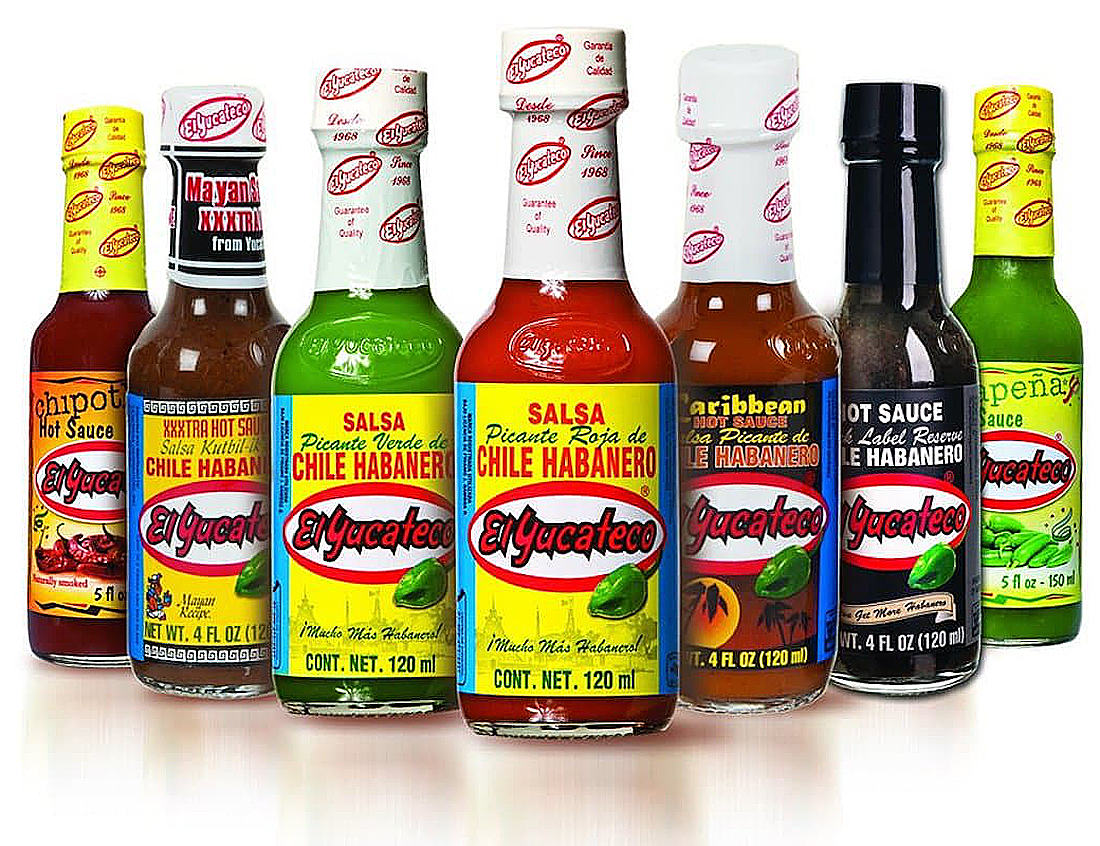

If you like hot sauce, you’ve probably seen at least a few of those names. They come from different countries — Mexico, Belize, Jamaica, Panama — yet if you follow the peppers behind them a pattern appears. Again and again the same species turns up: Capsicum chinense.

That pattern isn’t simply botanical. It reflects the food cultures of the Caribbean basin — societies shaped by migration, colonial trade and the long history of the Black Atlantic.

Across this region chilli sauces developed as everyday table condiments. A splash of pepper sauce brightens fish, rice, beans or grilled meat. The practice appears again and again from the Yucatán to Jamaica.

The peppers at the heart of these sauces are habaneros, Scotch bonnets and related chinense types. They thrive in hot coastal climates and produce small, intensely aromatic fruits that carry both heat and fragrance.

Stacks Image 832

But there is another reason these peppers matter. In a world increasingly dominated by industrial food brands, these sauces remain stubbornly local. They come from family companies, regional producers and kitchen traditions that long predate global food corporations.

In Mexico’s Yucatán Peninsula the habanero is not just a chilli but a regional symbol. Sauces built around it are part of the everyday table. Companies such as La Anita, producing condiments since 1913, and later El Yucateco, founded in Mérida in the 1960s, did not invent that flavour. They bottled something that already belonged to the region.

In Belize the story is similar. Marie Sharp’s sauces grew out of a local kitchen tradition built around habaneros blended with vegetables and vinegar. What began as a small regional producer now travels around the world, yet the flavour still speaks very clearly of Belize.

In Jamaica the Scotch bonnet plays the same role. It anchors jerk cooking and traditional pepper sauces that existed long before commercial brands. Producers such as Walkerswood have simply brought those flavours into bottles.

Even Panama’s famous ají chombo sauces carry a migration story. Afro-Caribbean workers arriving during the construction of the Panama Canal brought their chilli traditions with them.

The pepper became part of the local table, and companies such as D’Elidas eventually turned that tradition into a bottled sauce. Different countries and different histories, but the same species appearing wherever those chilli cultures took root.

And perhaps that is why these sauces have endured. They are not anonymous industrial condiments. They come from particular places and particular cooking traditions. The flavour of the pepper is tied to the identity of the region.

Even the bottles seem to reflect that. The labels are bright, slightly chaotic, often a little old-fashioned — peppers exploding across the front, bold colours, the sort of artwork that feels more like a local grocer than a global food brand. They have a refreshing lack of corporate polish.

I usually keep a few bottles of these regional sauces in the cupboard — just in case I run out of my own. They’re lifesavers.

This week the many of these classic chinense chillies are 20% off — a good opportunity to grow the peppers behind many of the world’s great hot sauces. Making your own sauces is surprisingly easy, and a few bottles of homemade chilli sauce make memorable gifts. Offers

So what makes chinense chillies so good for sauces? It turns out to be chemistry. Chilli Sauce Science


World of Chillies was set up by Sarah Hunt in 2011 to promote chilli growing and the enjoyment of everything hot and spicy.

UK Company No. 07860204.
VAT reg. 223126942