-
Peak Growing Season 1. Substrate Right
Get Substrate Right
Planting into the right substrate will save a lot of problems later on. Chillies love a free draining compost, or a half-half mix of compost and coir, to soak up extra moisture. Tomatoes are heavy feeders and a richer mix is perfect for them. Herbs like it on the drier side, so use a free draining mix.
-
2. Foliar Feed
Foliar Feed: A Quick Nutrient Boost
Did you know plants can take in nutrients through their leaves as well as their roots? Give them a quick snack by using a clean spray bottle with a half-strength general plant food. Remember to do this in the evening to avoid burning the leaves in the sunlight. This foliar feed is an extra treat, so keep up with your regular watering routine.
-
3. Ventilation
Ventilation: Let the Air Flow
Your plants need plenty of ventilation to thrive. While it might be tempting to cram as many plants as possible into your greenhouse, overcrowding can lead to mould and mildew. Make sure there's enough space for air to circulate. If things get too cozy, consider moving the hardier plants outside during warm days (and nights, if it's mild enough).
-
4. Feed for Strength
Feed for Strength
Strong plants need good nutrition, especially tomatoes, which are known for their big appetites. Use a general-purpose plant feed like liquid seaweed before flowering, then switch to a tomato feed (at half strength for chillies) once they start blooming. Keep an eye on the leaves for signs of nutrient deficiencies—resources like World of Chillies can help you diagnose and treat any issues.
-
5. Get the Pot Size Right
Get the Pot Size Right
Indeterminate tomatoes need large pots to reach their full potential—think 22-litre pots. Chillies are more adaptable, thriving in pots from 7 to 20 litres, depending on your space. Herbs like basil are content in 7-litre pots.
-
6. Pests at Bay
Keep Pests at Bay
Pests can wreak havoc in your greenhouse if left unchecked. Regularly inspect your plants for signs of trouble. Early diagnosis is key to tackling issues before they spread. World of Chillies offers helpful diagnostic tools, and there's plenty of info online. Sometimes, drastic measures like removing a plant are necessary to protect the rest.
-
7. Prune Tomatoes
Prune Those Tomatoes
Indeterminate tomatoes need regular pruning to grow tall and strong. Weekly, pinch out the side shoots and remove lower leaves to boost ventilation. This little bit of maintenance will keep your tomatoes in top shape, concentrating their effort on growing tomatoes instead of a forest of foliage.
-
8. Pinch Out Tips
Pinch Out Growing Tips of Herbs
Once your herbs are established, start pinching out the growing tips to encourage bushy growth and prevent flowering. The tips are the tastiest part, so harvest away! Basil, in particular, loves to flower, but pinching out the tips keeps it focused on producing lovely, flavourful leaves.
-
9. Don’t Overwater
Don’t Overwater
Keep compost damp but never waterlogged. Overwatering is a common mistake with chillies, leading to nitrogen deficiency. Tomatoes need consistent watering to avoid issues like blossom end rot. Herbs prefer it on the drier side for more flavourful leaves.
-
10. Remove Chillies
Remove Small Chillies
Some chilli varieties start producing flowers and fruit early in the season. While a bumper crop sounds great, it's best to remove early chillies to allow the plant to grow stronger first. Use your judgment to pick off any chillies the plant isn't ready to support.
There you have it—some fun and informal tips to help your garden flourish during this peak growing season. Happy gardening!
Peak Growing Season
Peak Growing Season is On
Making the Most of Peak Growing Season: Fun Tips for Your Chilli and Tomato Plants.
Hey there, fellow green thumbs! We're in the thick of peak growing season and your chilli and tomato plants are thriving!
With the longest day of the year fast approaching and a glorious 16 hours of daylight, it's the perfect time to give your plants some extra love.
Here are my top ten tips to make the most of this prime time for a bonza harvest of chilles and tomatoes.
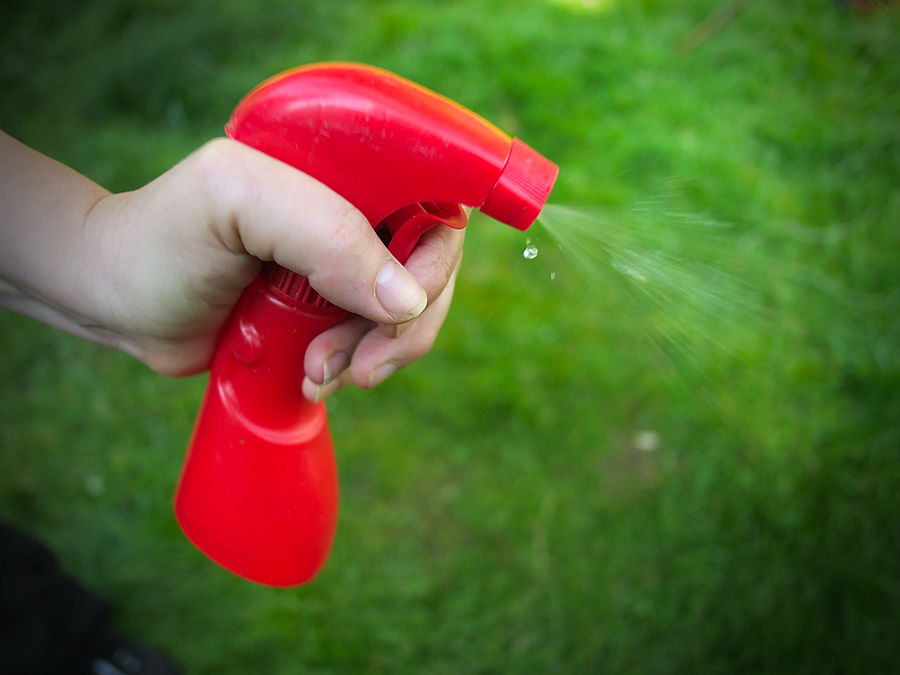
Repurpose a spray bottle for folar feeding but make sure it's clean.
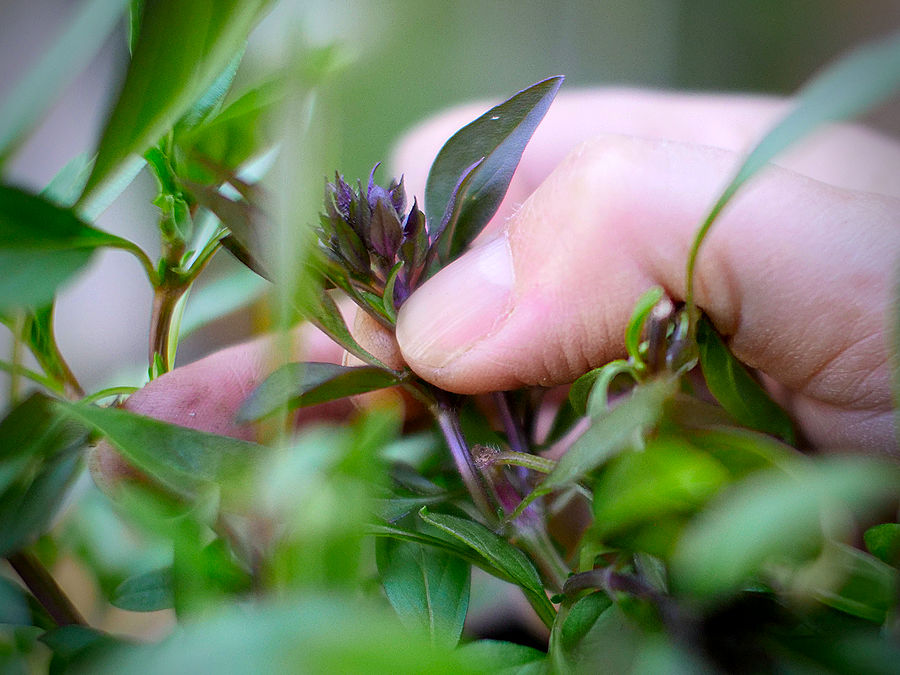
Pinch out those basil tips for bushy plants and no flowers.

Make sure plants have space around them for ventilation.
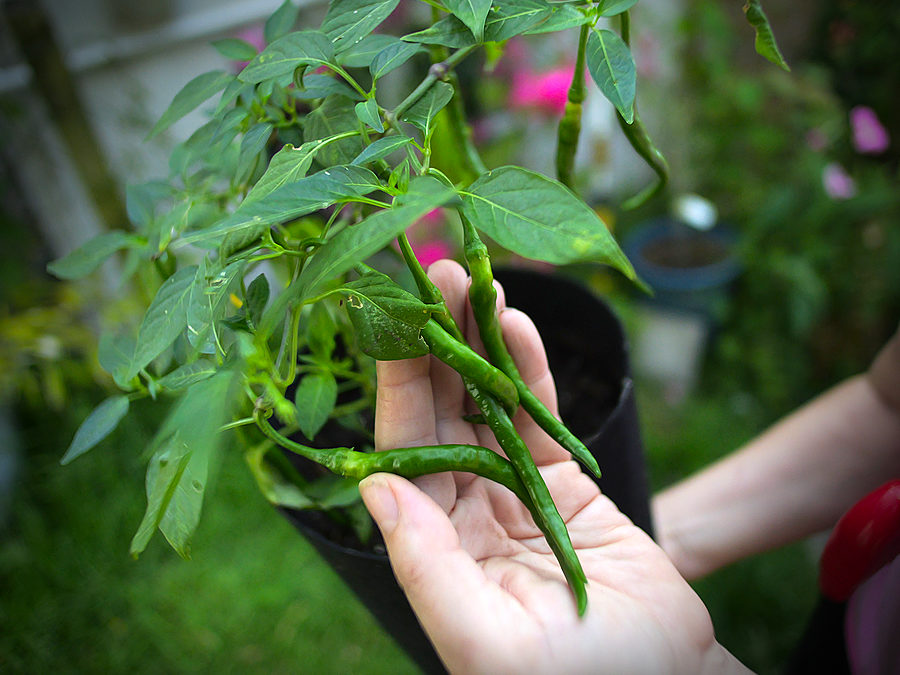
This hybrid Vindaloo is already going crazy with pods.
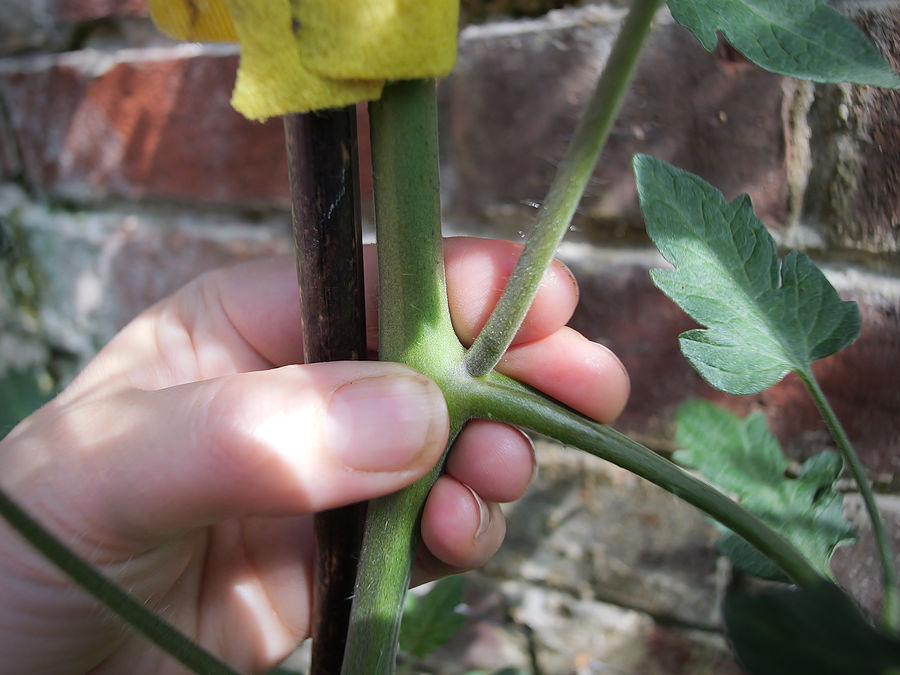
Pihch out sideshoots on Indeterminate tomatoes.
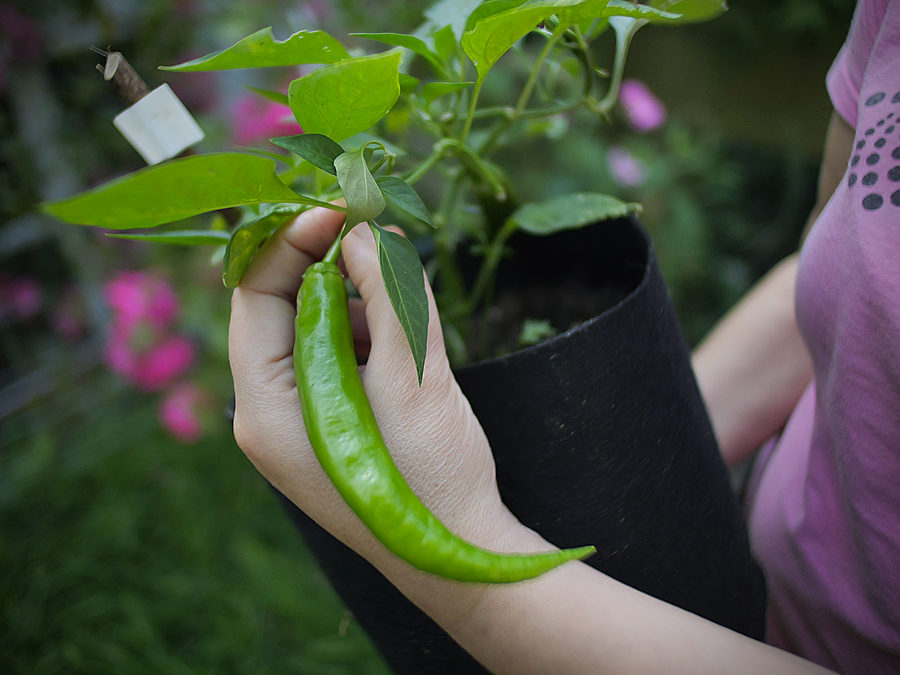
This Rokita is already desperate to fruit. Monster Chillies already.
World of Chillies was set up by Sarah Hunt in 2011 to promote chilli growing and the enjoyment of everything hot and spicy.
Chilli Plants
Tomatoes
Chilli Seeds
Delivery Info
About Us
Contact Us
Sign Up Chilli Club
Privacy
Terms & Conditions