Nazgûl’s Breakfast
Dark Pods. Serious Heat.

Nazgûl’s Breakfast Chilli Plug Plant

Nazgûl’s Breakfast Chilli Plug Plant

A Breakfast with a Long Afterburn.Heat Level: ★ ★ ★ ★ ★
I grew Nazgûl’s Breakfast because I liked the name and the photographs looked extraordinary. By the end of summer, it was the plant I took visitors over to see. Purple stems, green and purple leaves, and pods changing dramatically in colour made it worth growing before I’d even tasted one.

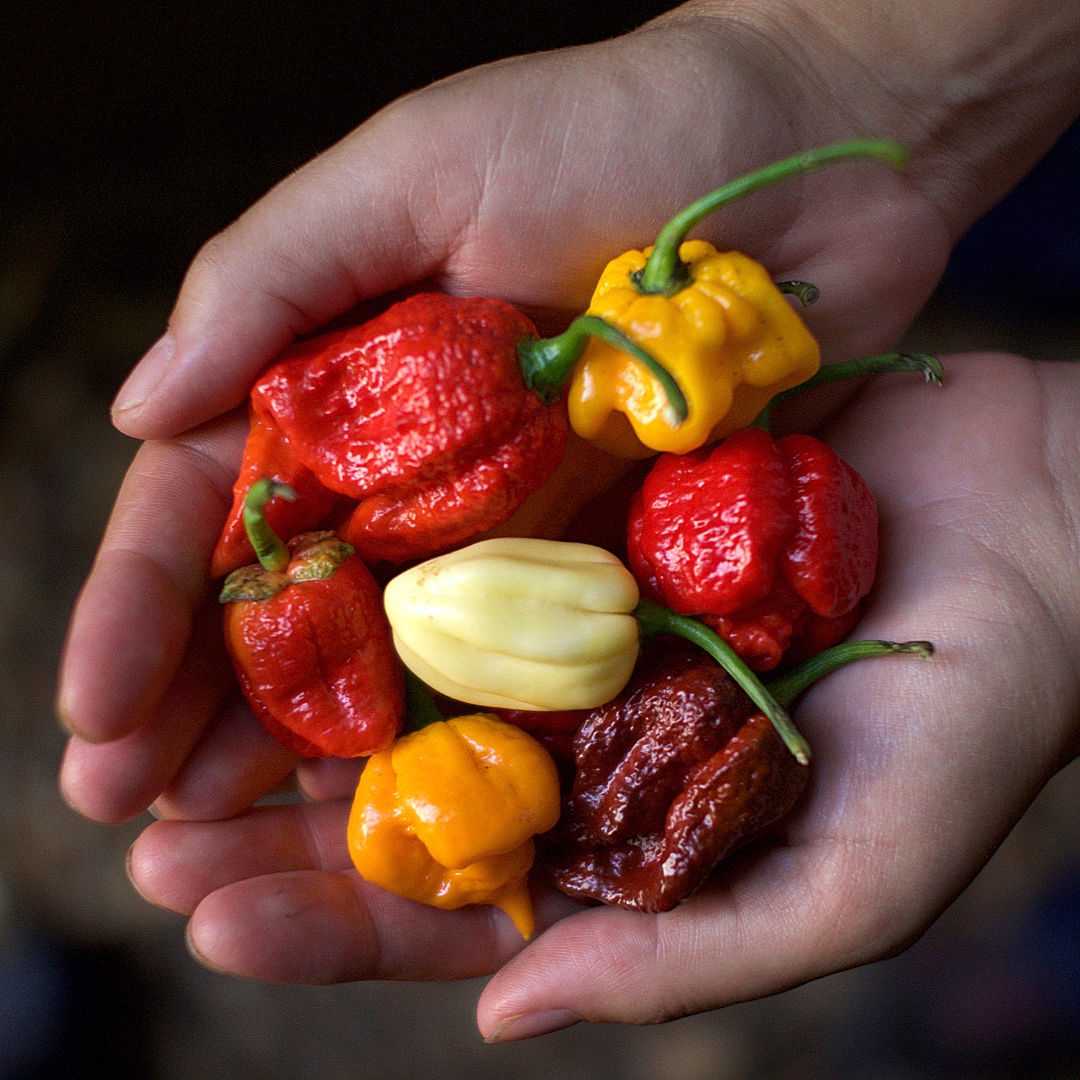
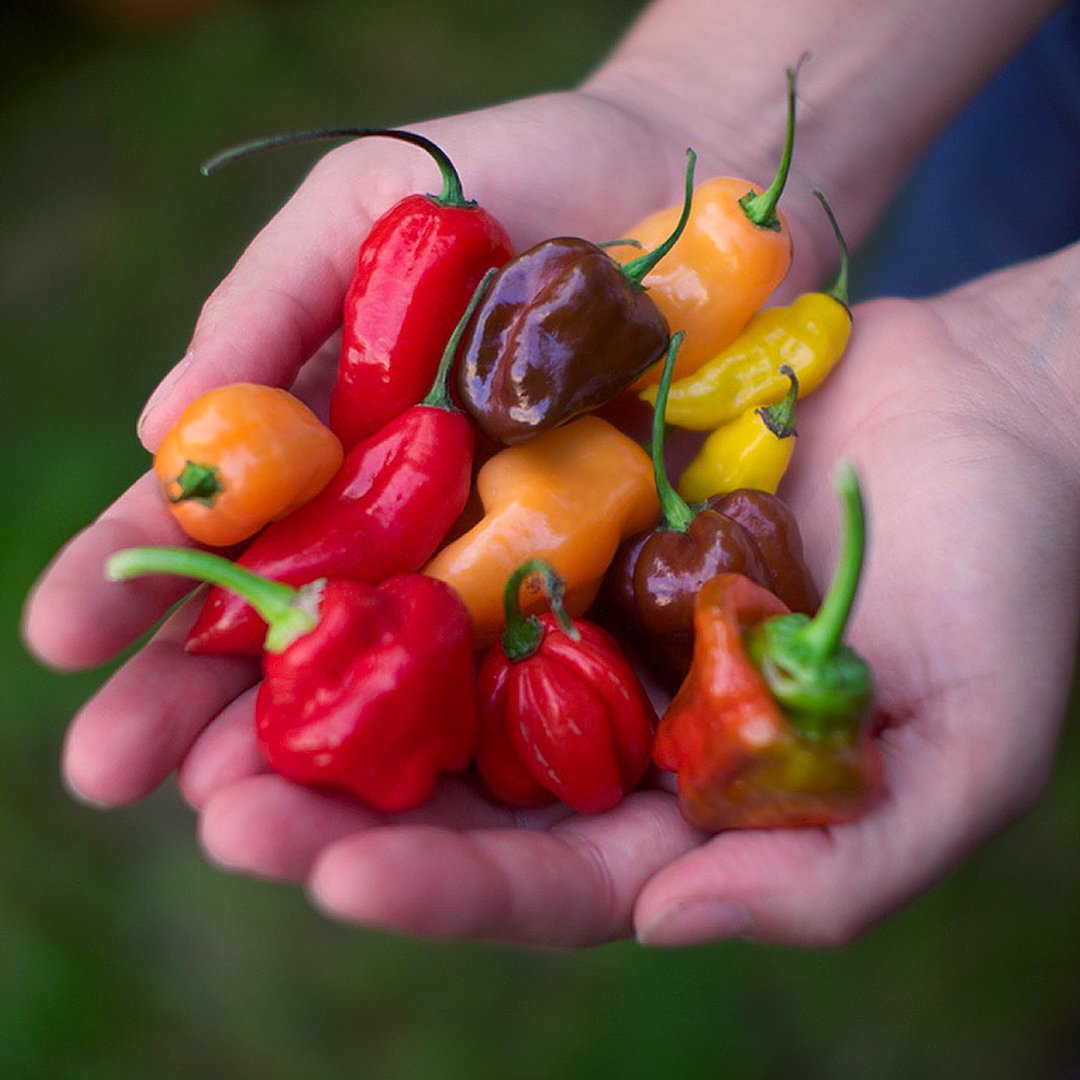
It is a Capsicum chinense hybrid credited to chilli breeder Francis Gagnon. Its parentage isn’t confirmed in the sources I’ve checked, and suppliers warn that seed-grown plants may vary. Mine produced wrinkled, tapered pods that developed deep purple colouring before ripening red; other growers describe brown or mocha-coloured fruit.

The heat is serious. Around 800,000 Scoville Heat Units is one published supplier estimate, though listings differ considerably and I haven’t found a laboratory result to verify them. A tiny piece was enough to confirm that my pods needed treating with respect. Start small when cooking with it. You can always add more.

What surprised me was the flavour. The first taste was fruity, but that passed quite quickly, revealing something sharper and fresher, almost like a green chilli. Then the heat settled in and stayed. That’s my experience of the pods I grew; another grower reports earthy notes and a hint of sweetness.

Hot sauce is an obvious use, and I’m particularly interested in trying it in a fermented sauce. You can also use small amounts in cooked dishes, where the other ingredients give you more control over the intensity. This is a chilli to portion carefully rather than casually chop into dinner.

For growing in the UK, I’d give it a long, warm season under cover. Its appearance alone earned it a place in my greenhouse, but the taste made me want to do more with it. A beautiful plant with a memorable flavour—and a name that starts to make sense after the first bite.

Additional Information

▶ Species: Capsicum chinense.

▶ Heat Level: Superhot — approximately 800,000 SHU (supplier estimate, not a confirmed laboratory rating).

▶ Fruit Appearance: Wrinkled, tapered pods with deep purple colouring. Our plants produced pods that ripened red; other growers report brown or mocha-coloured fruit.

▶ Flavour Profile: In our tasting, an initially fruity flavour gave way to a sharper, fresher note, followed by lingering heat.

▶ Plant Habit: Purple stems and green leaves with purple colouring. A striking plant even before its pods develop.

▶ Fruiting Time: No reliable variety-specific ripening time confirmed. Allow a long, warm growing season.

▶ Growing Conditions: Warmth, strong light and protection from cold. Greenhouse or polytunnel growing is the more dependable option in the UK.

▶ Uses: Hot sauces, fermented sauces and small additions to cooked dishes. Start with a very small amount.

▶ Background: A modern hybrid credited to chilli breeder Francis Gagnon. Its parentage is not confirmed in the sources we have checked, and seed-grown plants may vary.

Classic Hots

Record-breakers

Cooks' Collection


World of Chillies was set up by Sarah Hunt in 2011 to promote chilli growing and the enjoyment of everything hot and spicy.

UK Company No. 07860204.
VAT reg. 223126942

▶ 1. Easy to Grow: Some chillies are just a joy to grow — compact, reliable, and happy in a pot (5). Others shoot off in all directions or sulk at the first sign of wind (1). I’ve given higher scores to the ones that do well here in the UK.

▶ 2. Ornamental Quality: A few of these are real show-offs, with pods that look like jewels or dramatic foliage that turns heads. Others are more practical than pretty. This score is just about how good they look on the patio or in the greenhouse.

▶ 3. Heat Level: This isn’t a technical SHU score — it’s just a kitchen-friendly 1 to 5. A 1 means very mild (like a jalapeño), a 5 is properly hot (think Bhut Jolokia). It should help you judge what you’re in for!

▶ 4. Hardiness: How well do they cope with our unpredictable summers? I’ve given higher scores to the tough ones that keep going through cool nights, wind, or patchy weather without much fuss.

▶ 5. Culinary Use: This one’s about how often I actually use them. Some are perfect for pickling, stuffing or powders — others look good but don’t end up in many meals. If it’s flavourful and versatile, it scores high.

Hover or touch to pause carousel