-
capsicum annuum What sort of chilli is this?
The quick picture
- Temperament: cooperative, seasonal
- Typical heat: mild → medium → hottish
- UK success: very reliable
- Time to fruit: fast
- Best role: everyday cooking chilli

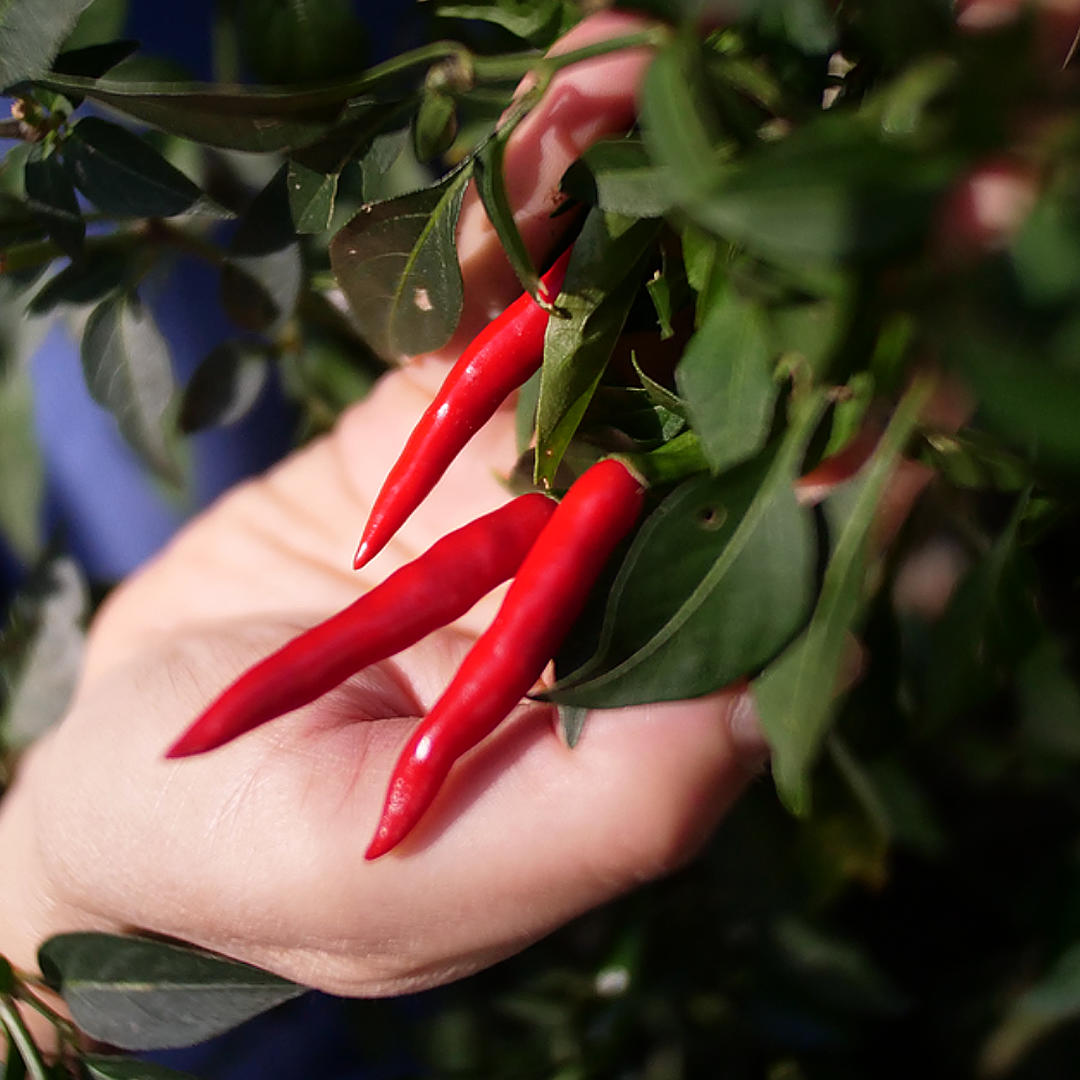
Kashmiri chilli pods
-
capsicum annuum How to recognise it
What to look for
- Plain white flowers (no spots)
- Upright or outward-facing pods
- Smooth leaves
- Early flowering
- Fruits while still a small plant
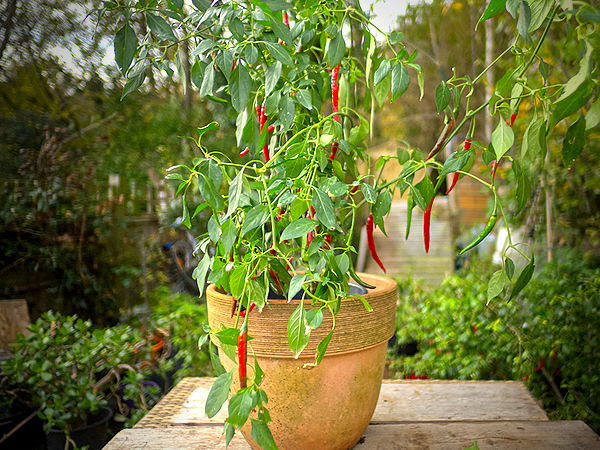
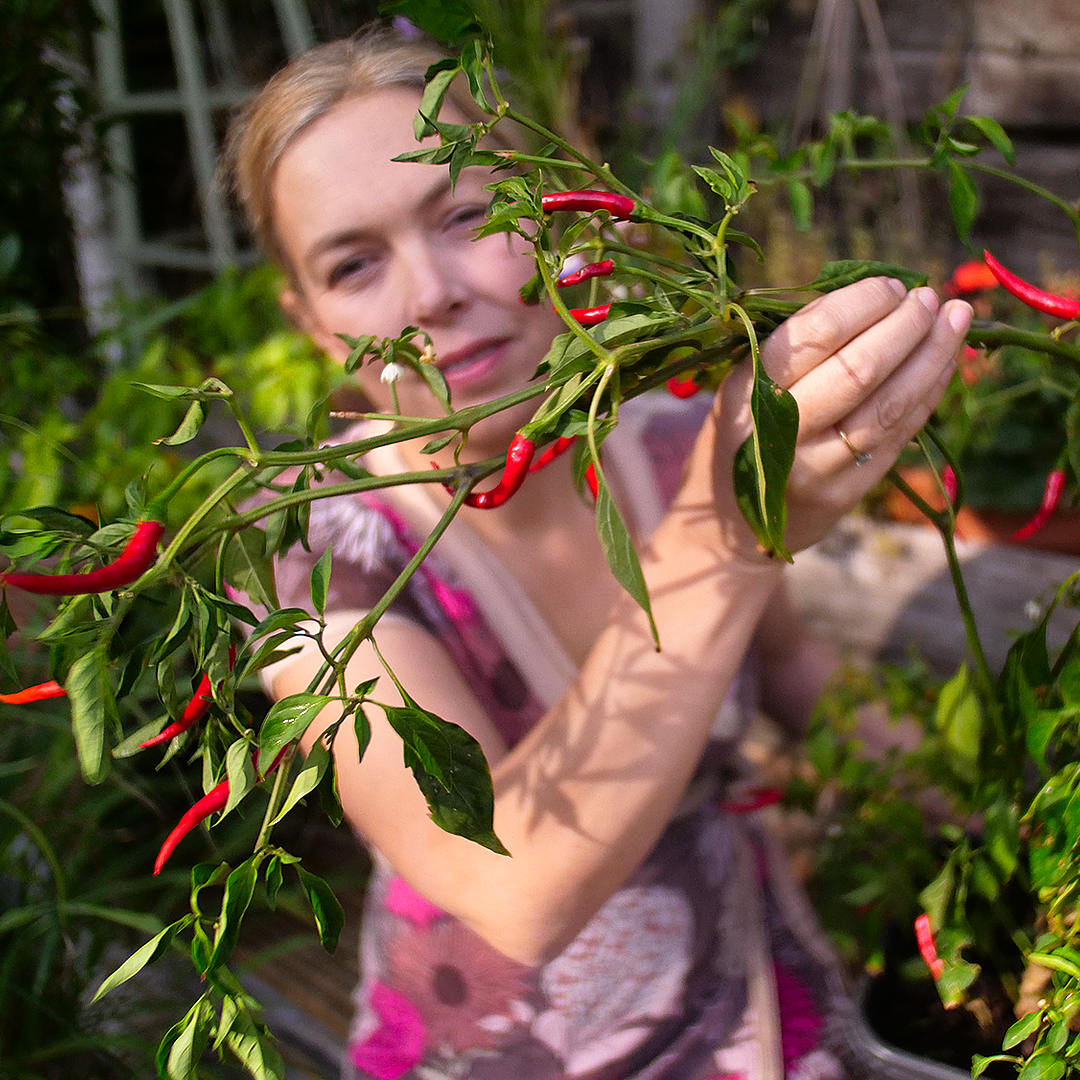
Turkish Pointed chilli
-
capsicum annuum Why does it grow like that?
Where it comes from
Originating in the drier regions of Mexico and the southern United States, annuum learned to live with seasons — warm days, cooler nights, and weather that doesn’t wait forever. So it hurries: flower early, fruit quickly, make seeds before conditions change.
That urgency is why it behaves so well in Britain. While other species negotiate with the climate, annuum simply gets started.
-
capsicum annuum Have I eaten this before?
Familiar varieties
Mexican jalapeño
cayenne types
Thai bird chillies
Spanish padrón
Hungarian paprika
Japanese shishito
Korean gochu
Indian Kashmiri-

One of the world's best known chillies; jalapeno
-

Cayenne: Ring of Fire a super culinary chilli.
-

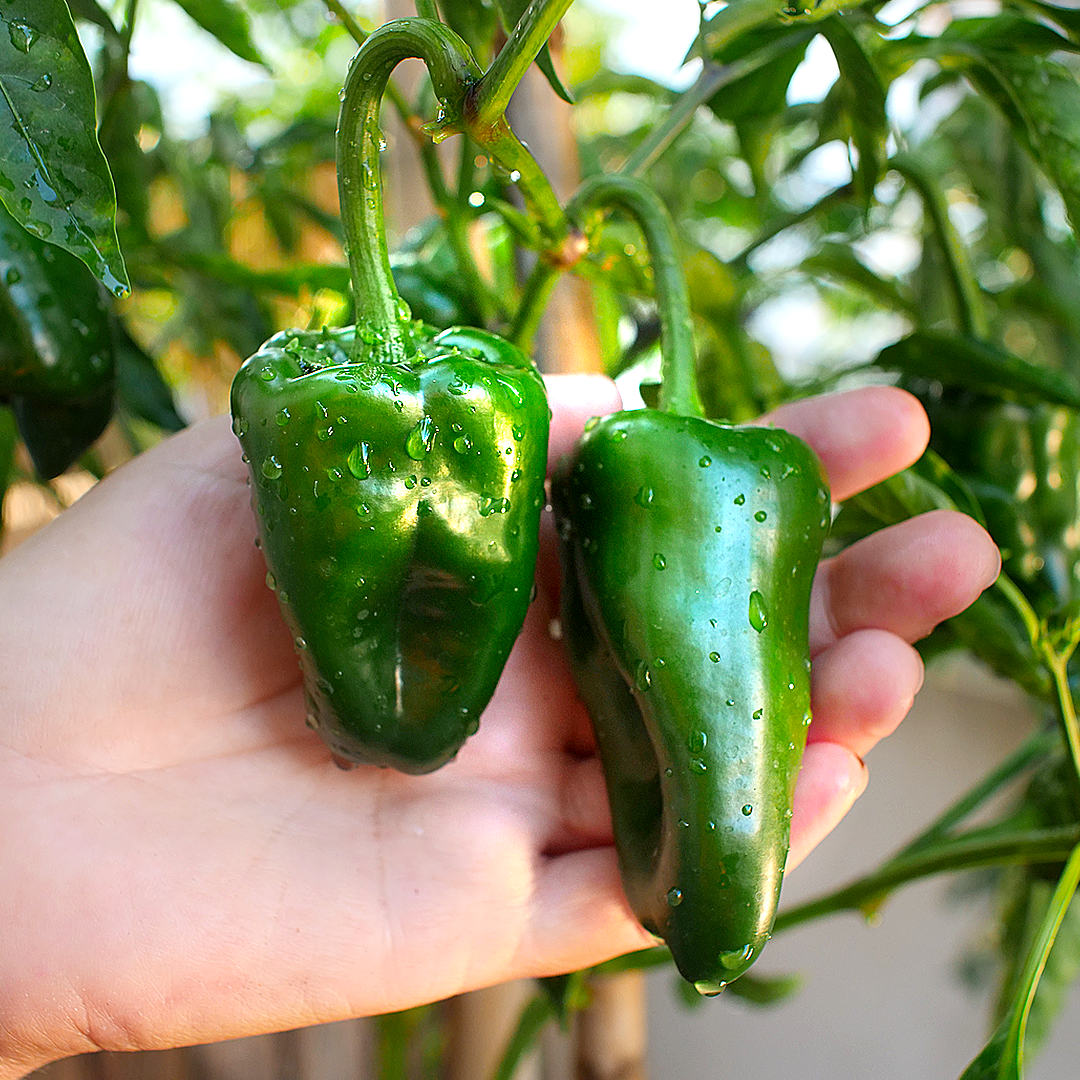
Poblano, an extremely mild stuffing chilli from Mexico.
-

Thai Dragon; one of the hottest of the annuum chillies.
-
-
capsicum annuum How hot is it really?
The heat character
Prompt and clear. It arrives on the tongue, does its job, and leaves without lingering argument. Heat as seasoning rather than atmosphere.
Typical range: ~500 – 30,000 SHU (occasionally higher)

-
capsicum annuum What do people use it for?
In cooking
This is the working chilli of the world.
• chopped fresh into salsas and relishes
• hollowed and filled, then roasted
• dried and ground for background heat
• slowly smoked into paprika
Where you meet it
• Mexican salsa roja
• stuffed peppers in various forms
• paprika-based stews and spice rubs
If a recipe simply says “chilli”, it almost always means this species.

Guacamole with jalapeno
-
capsicum annuum Will it grow for me?
In UK climate
• What it likes: Warmth early, decent light, modest feeding.
• What goes wrong: Too much fertiliser, overwatering, sowing too late.
• Grower’s shorthand: One of the few chillies that genuinely forgives beginners.
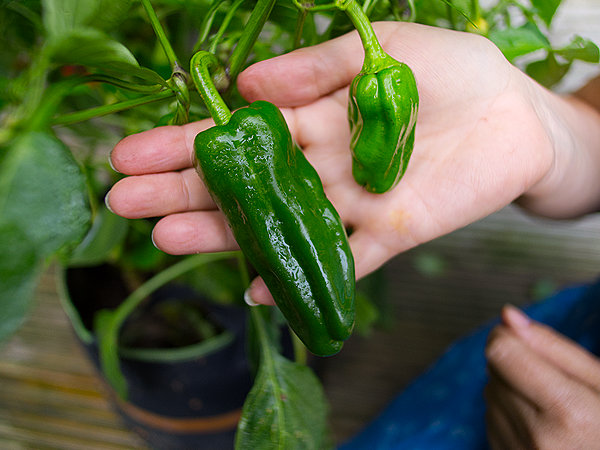
Pimiento de padron
-
capsicum annuum Where it falls short
Its limitations
• Rarely fruity
• Not deeply aromatic
• Powders can be blunt compared to other species
-
capsicum annuum So what’s the point of it?
The takeaway
Other species have signatures. Capsicum annuum has range. It contains the peppers that fill markets, anchor sauces, dry into powders, and roast into whole meals — and it also contains plenty of varieties with their own quirks and personalities.
Calling it “common” is just shorthand for “everywhere, because it works in a hundred different ways”, and it rarely punishes inexperience.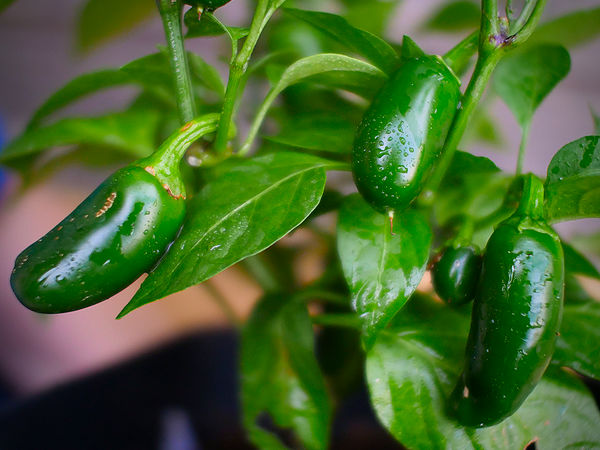
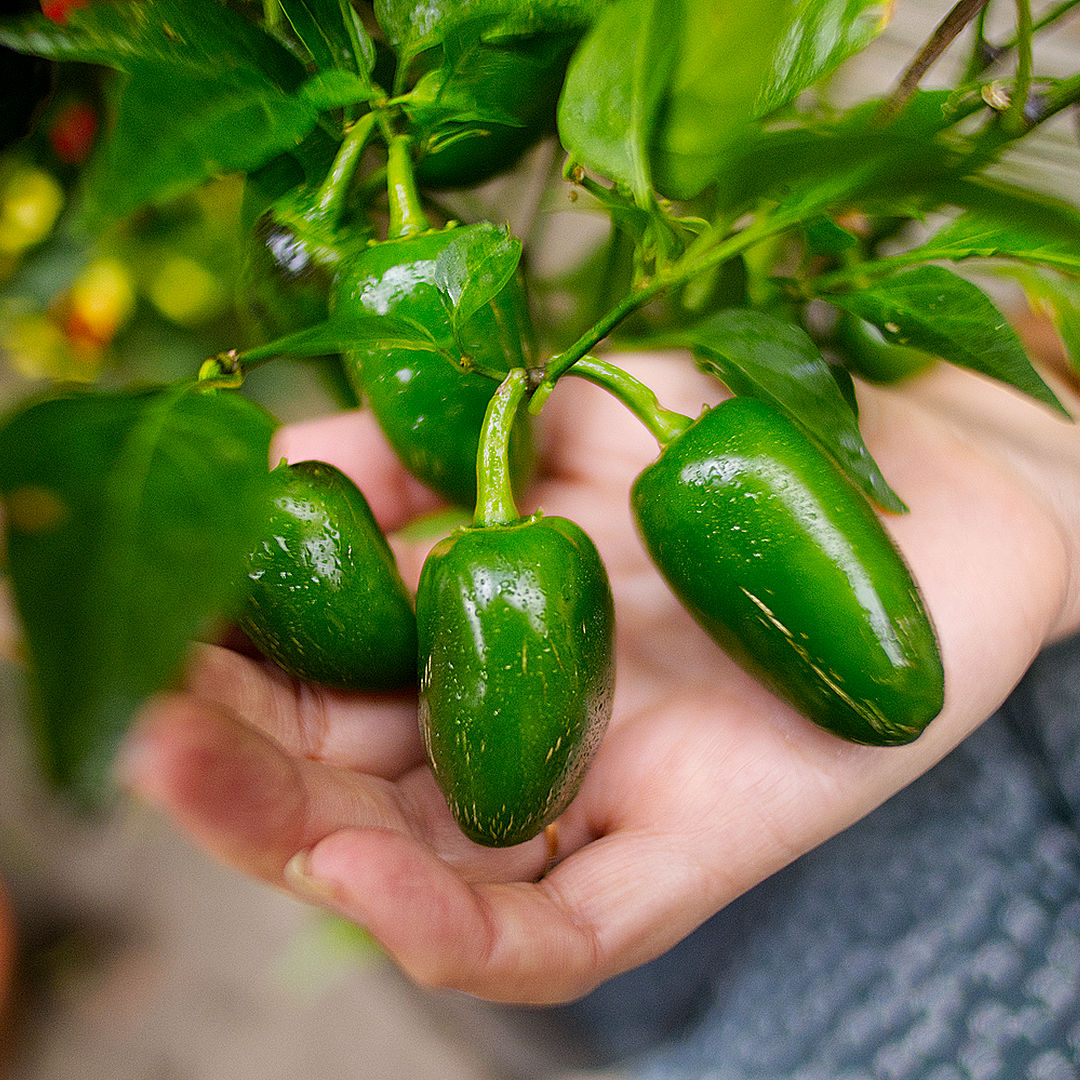
All time favourite: Jalapeno
-
More Chillies
Other Chilli Species
Find out more about the other major species of chillies.
Chinense — the super-hot group
Baccatum — citrus-like from South America
Frutescens — small upright sauce peppers
Pubescens — thick-fleshed mountain chillies
Chilli Species — main menu
The chillies that shape everyday cooking
The chillies that shape everyday cooking
Most people meet Capsicum annuum long before they realise chillies come in species at all. It’s the plant on the windowsill that gets on with things. Seeds sprout without drama, leaves appear in tidy pairs, and before you’ve quite decided where to put it the plant has quietly produced a chilli just to prove the point.
Everything about it suggests cooperation. The stems grow upright, the branching is sensible rather than ambitious, and the fruits hang or stand exactly where a human would have placed them. Even the flowers — plain white stars with no theatrical spots or colours — look like they’ve come to work rather than perform.


World of Chillies was set up by Sarah Hunt in 2011 to promote chilli growing and the enjoyment of everything hot and spicy.
UK Company No. 07860204.
VAT reg. 223126942
Capsicum annuum was domesticated in Mexico around 8,000 years ago and spread throughout the Americas. After the Columbian exchange in the 16th century it was carried worldwide through trade.
Scoville Heat Units (SHU) measure how hot a chilli feels — essentially how much capsaicin it contains. A Moruga Scorpion at about 2,000,000 SHU is roughly four hundred times hotter than a jalapeño at around 5,000 SHU.