Tales of Havana Gold & Lemon Aji
In a corner of my garden, two vibrant chilli plants have taken root, each with a character as bold as the lands they hail from. The Lemon Aji and Havana Gold aren’t just chillies; they’re small emissaries from the high Andes, carrying whispers of Pachamama, the Earth Mother, and the warmth of Inti, the Sun God.
The Lemon Aji brings a brightness to the garden—a tangle of sharp, lemony pods that grows wild, as if remembering the rugged Andean slopes.
Its flavour is as striking as its colour, a burst of citrus heat that seems to hold the sun’s edge.
Havana Gold, on the other hand, reaches for the sky with an unstoppable energy, sending branches weaving through the greenhouse frame in search of light. Its fruits, a cheerful orange, hang like small suns, bold and unapologetic.
Together, these chillies create a story of warmth and wildness—a reminder that some flavours are born from the earth and sun, untamed and vivid, waiting to be tasted.
Labyrinth of Lemon & Fire
Every year, as the garden stirs to life, I feel as though I’m welcoming a visitor from another world: the Aji Lemon, or Qillu Uchu as it’s known in Peru. Growing this chilli is more than planting seeds—it’s inviting a small, wild piece of the Andes into my garden.
They say that Pachamama, the Earth Mother of Andean tradition, breathes life into all things that grow, but with the Aji Lemon, you can feel it. This isn’t just a plant.
It’s a spirit—an untamed, golden fragment of Andean magic, bringing with it the scent of mountain air and ancient sun.
The Aji Lemon doesn’t grow like any other chilli. As the seedling matures into a plant, it begins to twist and tangle, sending out branches in all directions like it’s trying to reclaim the freedom of the wild slopes it once called home.
This is a chilli with a memory, a plant that seems to remember the highlands of its origin, where it grows in unruly profusion under Pachamama’s gaze.
It’s as if each branch, each vibrant leaf, carries with it a bit of Andean spirit, a reminder that this chilli was never meant to be contained.
I’ve grown many chillies, but none seem to possess the same defiant soul as the Aji Lemon. Stake it, train it, try to confine it, and it only grows wilder, more sprawling. In some years, I swear it’s less a chilli plant and more a maze, an enchanted thicket that refuses to yield to any gardener’s order. I’ve come to think of it as my unruly guest—a gift from Pachamama herself, a reminder of the wild, a little rebellion planted right here in my greenhouse.
This isn’t just a plant. It’s a spirit—an untamed, golden fragment of Andean magic, bringing with it the scent of mountain air and ancient sun.
Then come the fruits, pods that ripen from green to an otherworldly gold, glowing as if lit from within. They don’t just hang on the branches—they shimmer, bright as mountain sunlight, as if Pachamama herself painted them with her golden brush.
And the taste! There’s heat, yes, but it’s a heat tempered with something ancient, something sharp and citrusy that seems to echo the high-altitude winds.
It’s a flavour that doesn’t just sit on your tongue—it whispers of other lands, of forgotten rituals and the enduring wildness of Andean earth.
In the kitchen, this golden chilli brings its Andean fire to every dish it touches. I add it to sauces, salsas, even dry it for marinades, and each time it feels as though I’m invoking a small spell, a taste of the mountains.
Dried and ground, it becomes a fine golden dust that seems to carry the warmth of the sun itself—a heat that lingers without overwhelming, a flavour that tastes of sunlight and stone.
I sprinkle it on fish, chicken, grilled meats, and as it mingles with the smoke, it releases a scent that transports me to wild gardens and ancient pathways. It’s as if, for a moment, the Andes are right here in my kitchen.
But more than its taste or its beauty, it’s the Aji Lemon’s wild nature that holds the real magic. In Peru, they call the Aji Lemon a gift from the earth, a plant that brings together heat and brightness, fire and memory.
I see that truth in every tangled branch, every wayward tendril that reaches out to reclaim a bit of the wild. There’s a wisdom in this plant, a message from the earth that speaks of resilience and freedom.
The Aji Lemon isn’t just a chilli. It’s the spirit of the Andes, tangled and alive, whispering stories of the earth and sun, of resilience and freedom, and of the wildness that will always defy the gardener’s hand. It grows not just in soil, but in memory, each branch a testament to the untamed and uncontainable.
And for as long as it’s here, I am merely its caretaker, holding a space in my garden for the magic of Pachamama to root and flourish. Bring home the spirit of Lemon Aji, a spark of Pachamama’s magic.

Havana Gold: A Gift from the Sun God
This season, I welcomed a new guest into the garden, a chilli I’d been curious about: Havana Gold. But let me tell you, this wasn’t an ordinary arrival. From the moment it sprouted, Havana Gold didn’t just grow—it rose, reaching for the sky with a fervour that felt almost reverent, as if answering a silent call from above. By mid-season, I began to suspect that I wasn’t merely growing a chilli; I was tending to an emissary of Inti, the Sun God himself.
Havana Gold isn’t like other chillies; it’s a force that demands respect. The plant grows with a wild, relentless energy, sending out branches like arms stretched towards the heavens.
Havana Gold: A Gift from the Sun God
This season, I welcomed a new guest into the garden, a chilli I’d been curious about: Havana Gold. But let me tell you, this wasn’t an ordinary arrival. From the moment it sprouted, Havana Gold didn’t just grow—it rose, reaching for the sky with a fervour that felt almost reverent, as if answering a silent call from above. By mid-season, I began to suspect that I wasn’t merely growing a chilli; I was tending to an emissary of Inti, the Sun God himself.
Havana Gold isn’t like other chillies; it’s a force that demands respect. The plant grows with a wild, relentless energy, sending out branches like arms stretched towards the heavens.
I made the rookie error of underestimating its reach, thinking it would behave like a standard pepper.
I didn’t stake it well enough, and soon those vine-like branches wound their way into the skeleton of the greenhouse, twining themselves around every beam and brace as if claiming the space in an act of worship.
When the time came to move it out for a photo, the whole plant seemed to sigh and slump in protest, collapsing slightly under its own weight, like a toppled monument. And what a monument it was.
By the time it reached full size, Havana Gold had grown taller than me—a sunlit tower of green and gold, defying gravity, defying order. It reminded me of stories of Inti’s temples, towering structures meant to capture and hold the sunlight.
Each branch felt like a ritual gesture, each leaf like an offering. And then, as if blessing me for my patience, it began to bear fruit, bright and numerous, each pod a miniature sun. These chillies are as jolly as they come, clusters of vivid orange hanging from the branches like jewels from an ancient crown.
Each bright orange pod is a small piece of Inti’s legacy, a reminder of the power of sunlight and the beauty of untamed growth. When I make a sauce from its fruit, it feels like preserving a bit of that magic, a taste of the summer sun captured in amber.
The flavour of Havana Gold is as radiant as its colour, though it’s a taste that defies easy description. Advertised as a habanero-like flavour, I found it to be something different. But growing Havana Gold isn’t all sunshine and easy harvests.
The sharp heat hits quickly, but it doesn’t linger as fiercely as a habanero. Instead, it fades into a fruity brightness, a flavour more apricot than pepper, with a hint of the exotic, as if each bite carries a memory of long summer days and sun-warmed orchards.
This isn’t the kind of chilli that simply spices up a dish; it transforms it. A Havana Gold salsa, for instance, isn’t just hot—it’s golden, a taste that feels both earthy and otherworldly, as if you’ve bottled sunlight itself.
This is a chilli that requires a firm hand, a reminder that even gifts from the gods come with responsibility. If you don’t stake it well, hoop it carefully, or guide its growth, Havana Gold will assert itself with all the untamed ambition of the sun.
Left unchecked, it will take over your greenhouse, wrap around your other plants, reach towards anything that offers support. This chilli isn’t one to be confined; it wants to rise, to stretch out and claim its space. And as its grower, you must balance admiration with restraint.
In a way, Havana Gold feels like a lesson as much as a plant. It teaches patience, respect, the importance of boundaries. In Andean lore, Inti watches over the crops, blessing those who honour the land and punishing those who take it for granted.
Havana Gold seems to carry that same spirit. Grow it well, and it rewards you with a bountiful harvest, each chilli as bright and cheerful as the sunrise. But take it lightly, fail to respect its needs, and it will remind you that some forces aren’t meant to be tamed.
The Havana Gold may be new to my garden, but it feels like it’s been here forever, as if it brought with it a bit of the ancient Andes, a touch of the old gods, and a spirit that will not be contained. Growing this chilli isn’t just about harvesting pods; it’s about honouring the untameable, about holding space for a small, bright piece of the sun to find a home among us.
Growing tips from World of Chillies
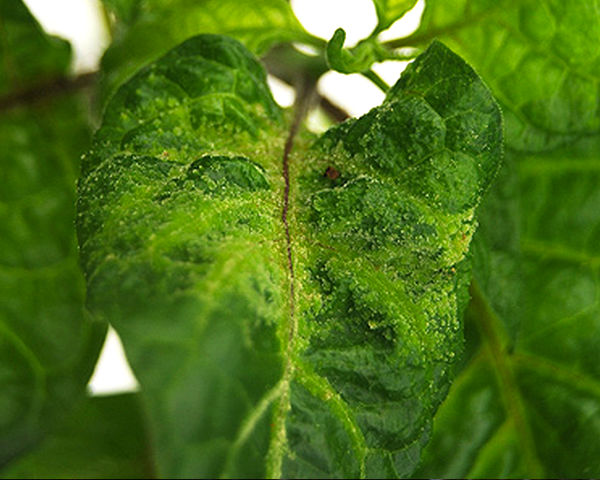
Chilli Problems
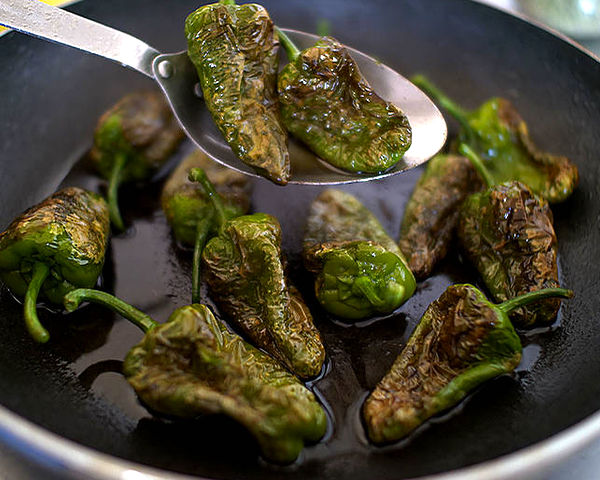
Chilli Blogs
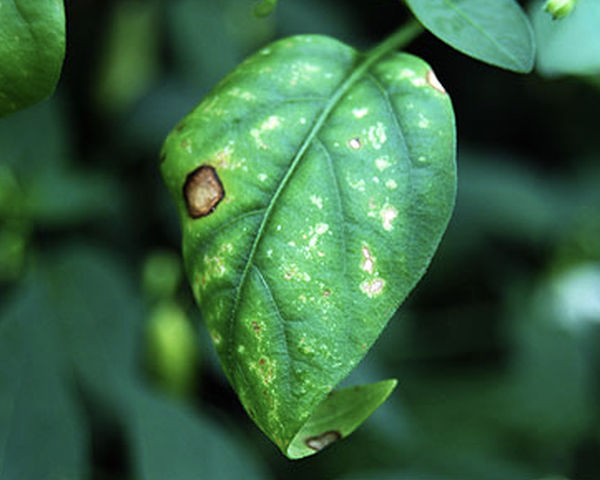
Chilli Nutrients
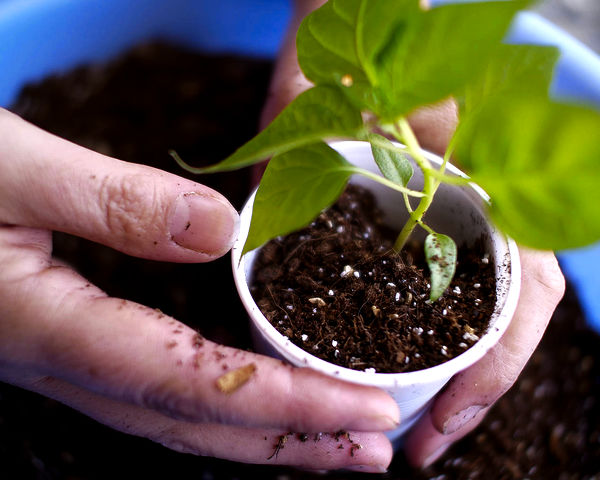
Potting On Chillies
Chilli Pests
Chilli Diseases
World of Chillies was set up by Sarah Hunt in 2011 to promote chilli growing and the enjoyment of everything hot and spicy.
Chilli Plants
Tomatoes
Chilli Seeds
Delivery Info
About Us
Contact Us
Sign Up Chilli Club
Privacy
Terms & Conditions