Sickly Chillies
diagnose & cure

Chilli Plant Diseases

Chilli Plant Diseases

Chilli plant diseases are less common but often far more dangerous to plants than other problems detailed on the site. Identify the problem with the guide below and find some tips on how to cure or when best to remove and destroy plants to prevent further infections.

Checkout our Health Care Plan to try and prevent problems starting. you can also fin out about other deficiencies and how they present in this guide; Chilli Deficiencies as well as in the Nutrient Guide.

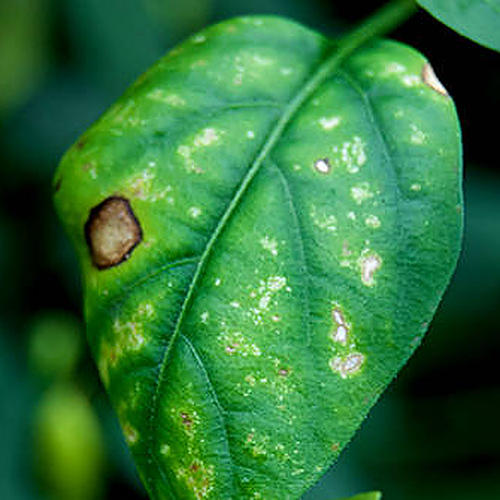
Bacterial Leaf Spot
Bacterial Leaf Spot

This bacterial infection affects chilli pods in a quite dramatic fashion. Bacteria splashed from the ground onto pods causing them to rot from the inside out. As a result, Soft Rot mainly occurs in instances of wet weather although insect pests can also introduce the disease.

  • SYMPTOMS
  • CURE

1. Soft pods become waterlogged and eventually dissolve.
2. Pods produce a foul smell as they rot.

1. Raising plants off the ground onto staging or similar.
2. Reducing risk of insect pests or keeping control of their numbers.

Chilli Wilt
Chilli Wilt

Caused by a fungi-like organism called a Water Mould, which is closely related to Potato Blight. The disease causes Leaf Blight, Fruit and Root Rot, all of which are serious or terminal problems.

  • SYMPTOMS
  • CURE

1. Brown or black patches concentrated on the infected part of the plant, often displaying a halo of white moulds.
2. Fruits will quickly soften and dissolve into a watery mass.
3. Entire plant suddenly wilts and dies, leaving brown stems.

1. Blight thrives in warm, wet conditions so avoid overwatering, keep greenhouse well ventilated and plants well spaced. Remove infected plants as quickly as possible.
2. Fungicidal treatments are available to control the spread of Leaf Blight, but once the infection is in the root system, the plant cannot be rescued.

Damping Off
Damping Off

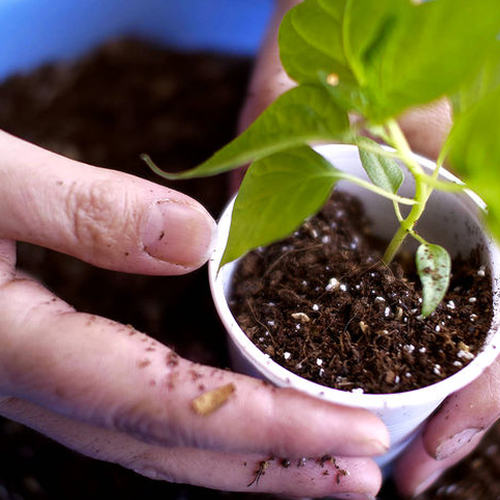
A soil born disease that causes seed rot and/or newly emergent seedlings to collapse and die. Pathogens or fungi in the soil, which are mobile in damp conditions, cause Damping Off.

  • SYMPTOMS
  • CURE

1. Seeds fail to germinate. If you carefully dig down into the soil, you will find seeds that have become soft and mushy which will start to disintegrate.
2. Emergent seedlings are attacked at the root and stem at the soil line. Stem became soft, waterlogged and thin, generally disintegrating.

Prevention is better than cure as emergent seedling have little resilience to disease or other problems. A tray of seedlings can suffer Damping Off at one end but avoid infection at the other.
1. Use high quality seed stock to prevent the introduction of bacterial problems from seed.
2. As the name suggests, Water Moulds are prevalent in damp conditions. So keep soil damp but not wet and remove any obvious cases of
3.Keep your seedlings well ventilated.
4. A mild fungicide, such as a copper based formula or even Chamomile Tea can prevent the problem spreading.

Grey Mould
Grey Mould

Grey Mould is the more common name for the fungal infection Botrytis cinerea. The spores for Grey Mould are always in the air but it generally only attacks plants when under stress or through wounds in the stem. It can sometimes enter the plant but have no visible signs until the fruit starts to ripen and turns to a brown mush.

  • SYMPTOMS
  • CURE

1. Fuzzy, grey, mould growths on any part of the chilli plant including stems, leaves, buds, flowers or fruit. This can be in spots or across the whole plant.
2. Look out for tiny black seed-like structures in the infected part of the chilli plant.
3. Chilli pods can go soft and brown instead of ripening.
4. In severe infections, buds and flowers and indeed the whole plant can quickly shrivel and die.

There are no fungicides on the general market approved for Grey Mould. In fact the only thing to do with a plant with grey mould is to remove it from the greenhouse to stop the spread of the infection. Prevention is the only real way to deal with Grey Mould and this is all about humidity and hygiene.
1. Remove dead and dying leaves, buds and flowers from your chillies immediately and do not leave dead plant material lying around.
2. Grey Mould favours humid conditions, so keep chilli greenhouses well ventilated and plants well spaced.
3. Do not overwater chilli plants or leave water in greenhouses.

Sort it with chilli kit
Chilli Growing Kit

Healthy, happy plants mean big healthy crops and you can get everything you need to satisfy your plants on this page. From growing medium to dedicated chilli feed and a range of solutions to growing problems.

Pepper Mosaic Virus
Grey Mould

Grey Mould is the more common name for the fungal infection Botrytis cinerea. The spores for Grey Mould are always in the air but it generally only attacks plants when under stress or through wounds in the stem. It can sometimes enter the plant but have no visible signs until the fruit starts to ripen and turns to a brown mush.

  • SYMPTOMS
  • CURE

1. Alternate patches of green and yellow in a mosaic pattern on leaves.
2. Distorted and curled leaves
3. Plant growth greatly slowed.
4. Stunted pod growth and very poor yield.

There is no known cure for this virus. Preventative measures include,
1. Plant pepper varieties that are more resistant to Mosaic Virus.
2. Deter aphids and deal with any infestation quickly.

Anthracnose
Anthracnose

This disease affects chilli plant leaves, typically in the flowering and fruiting stage in the most humid part of the summer. It can severely affect your crop size. The disease looks exactly as its name suggests, like a powdery white mildew.

  • SYMPTOMS
  • CURE

1. Circular legions appear on chilli pods, sunken areas with black patches. Legions grow over time.
2. Fruit eventually rots.
3. Irregular brown spots with dark brown halos can appear on leaves and stems.

There is no current cure for Anthracnose but there are a number of measures that can be taken to prevent infection.
1. Anthracnose, like many fungal infections, favours damp conditions so make sure chillies are planted in well-drained compost and not overwatered.
2. Copper fungicide may slow the spread of Anthracnose.
3. Infected soil can harbour Anthracnose for several years so if planting straight into the ground, rotate crops to avoid new infection.

Blight
Blight

This disease affects chilli plant leaves, typically in the flowering and fruiting stage in the most humid part of the summer. It can severely affect your crop size. The disease looks exactly as its name suggests, like a powdery white mildew.

  • SYMPTOMS
  • CURE

1. Brown or black patches concentrated on the infected part of the plant, often displaying a halo of white moulds.
2. Fruits will quickly soften and dissolve into a watery mass.
3. Entire plant suddenly wilts and dies, leaving brown stems.

1. Blight thrives in warm, wet conditions so avoid overwatering, keep greenhouse well ventilated and plants well spaced. Remove infected plants as quickly as possible.
2. Fungicidal treatments are available to control the spread of Leaf Blight, but once the infection is in the root system, the plant cannot be rescued.

Bacterial Soft Rot
Bacterial Soft Rot

This bacterial infection affects chilli pods in a quite dramatic fashion. Bacteria splashed from the ground onto pods causing them to rot from the inside out. As a result, Soft Rot mainly occurs in instances of wet weather although insect pests can also introduce the disease.

  • SYMPTOMS
  • CURE

1. Soft pods become waterlogged and eventually dissolve.
2. Pods produce a foul smell as they rot.

1. Raising plants off the ground onto staging or similar.
2. Reducing risk of insect pests or keeping control of their numbers.

Growing tips from World of Chillies

world of chillies chilli edema

Chilli Problems

world of chillies pimeineto de padron being cooked

Chilli Blogs

world of chillies chillie deficiency in leaf

Chilli Nutrients

world of chillies potting on chilli

Potting On Chillies

world of chillies catepillar on chilli leaf

Chilli Pests

world of chillies chilli deficient leaf

Chilli Diseases


World of Chillies was set up by Sarah Hunt in 2011 to promote chilli growing and the enjoyment of everything hot and spicy.

UK Company No. 07860204.
VAT reg. 223126942