Chilli Plant Problems; Diagnosis & Cure
Chilli Plant Problems; Diagnosis & Cure
When all is not well with your plants, this section of Grow Chillies can hopeful help you out. Check out the other sections of Pests, Problems and diseases and make sure you identify your issue correctly.
Don't forget to use the 8 Point Chilli Health Care Plan and get your growing conditions right to prevent problems occurring in the first place. You can also find out how to diagnose deficiencies and other problems in this guide; Chilli Deficiencies
Flower Drop
This is quite a common problem, particularly early in the season.SYMPTOMS
Flowers dropping from plant before developing into chilli pods.
CURE
1. Pollination failure. Chilies are both insect pollinated and self pollinating so you can remedy this by giving flowers a gentle shake or brushing gently from flower to flower with a soft kids paintbrush or similar.
2. Overwatering is the most common cause of all chilli growing problems and can cause flower drop. Underwatering can also cause flower drop. Keep soil moist but not wet. A generous helping of coir or vermiculite in the compost will soak up excess water and release it back as the plant needs it.
3. Overfeeding or the wrong feed can cause plants to drop flowers. Once plants start to flower, switch feeds to a high potassium feed such as a half strength tomato feed. Chilli plants have generally not been bred like some super Tomatoes and cannot tolerate such high strength feed.
4. Unstable temperatures such as cold nighttime and high daytime ones. Stabilise temperature by insulating at night or ventilating better in the day.
Leaf Burn
Patches of pale brown, almost papery leaf tissue on otherwise healthy leaves.SYMPTOMS
1. Light brown to white marks in splash formations or concentrated around the edges of leaves, particularly on lower leaves. The legions generally doesn’t bleed into the leaf, the edges remain sharp and the surrounding area is unaffected.
2. Affected areas become paper thin, almost transparent. The leaf tissue is completely dead.
CURE
The affected area will not recover but unless the burn is severe, the plant should not be too affected. Leaf burn can be avoided quite easily.
1. Water in the early morning or evening, out of the heat of the day.
2. Water slowly, taking care not to splash leaves, or let plants soak water up from a tray placed under the pot.
Edema
This is a condition caused by a chilli plant taking on more water..SYMPTOMS
White crystalline growth particularly on the underside and around leaf veins.
CURE
Check watering levels, soil should be moist but not wet. A more likely cause is poor ventilation so that plants are growing in an over-humid environment. Increase ventilation and space between plants.
Powdery Mildew
This disease affects chilli plant leaves in the most humid part of the summer.SYMPTOMS
1. Patchy growth of white powdery substance that slowly covers the underside of leaves, occasionally on upper side too.
2. Yellow and brown patches on upper side of leaves, where mildew is present on underside.
3. Leaf edges may roll upwards to reveal white, powdery growth.
4. Leaf drop.
CURE
1. Prevention is key with this pathogen. Make sure your plants are well spaced and ventilated so that they can dry out between waterings.
2. Chemical controls for Powdery Mildew are fungicides, the most effective of which is Myclobutanil. Organic gardeners use Sulphur and Potassium Bicarbonate.
Blossom End Rot
This condition develops in green fruits of chillies, peppers and tomatoes caused by Calcium deficiency.SYMPTOMS
1. Blossom End Rot starts with a small legion at the blossom end of the fruit that appears water soaked. It affects fruits that are quite well developed.
2. As the legion grows, it becomes sunken and turns colour to dark brown and in severe cases it can completely cover the lower half pod the fruit.
CURE
1. Adjust watering to keep moisture levels more constant.
2. Check and adjust your plant feed, to avoid excessive nitrogen which promotes leafy growth, leaving less calcium for fruit.
3. Foliar application of calcium are recommended by some, but usually quite poor in rectifying fruit problem due to poor movement around the plant.
4. Foliar application of Magnesium Sulphate (Epsom Salts) can aid the uptake of calcium.
5. Remove affected fruits to prevent plant stress. You will not be able to save these.
Sort it with Chilli Kit
Healthy, happy plants mean big healthy crops.Growing tips from World of Chillies
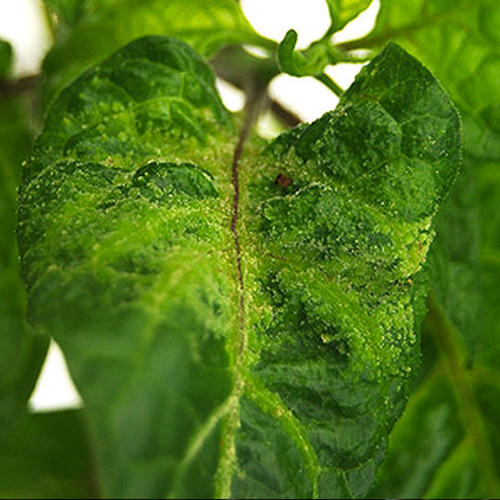
Chilli Problems
Chilli Blogs
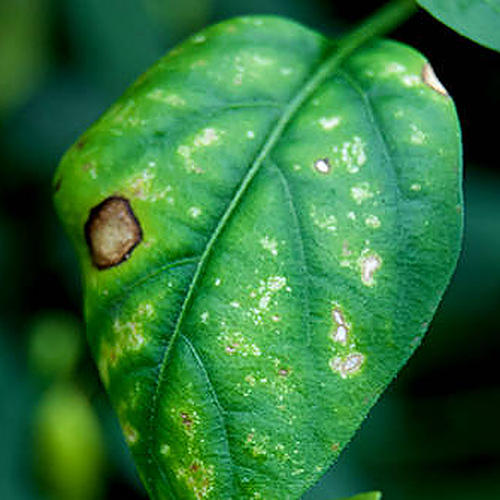
Chilli Nutrients
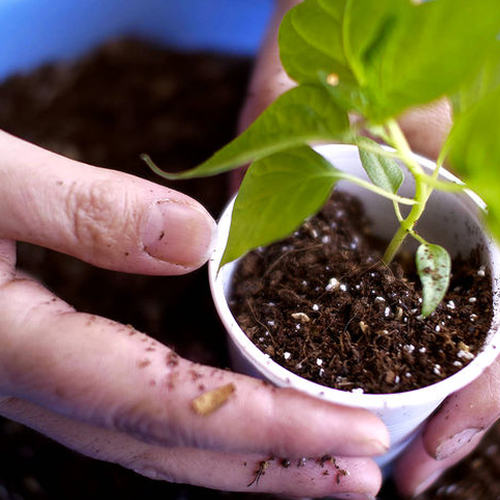
Potting On Chillies
Chilli Pests
Chilli Diseases
World of Chillies was set up by Sarah Hunt in 2011 to promote chilli growing and the enjoyment of everything hot and spicy.
UK Company No. 07860204.
VAT reg. 223126942