The Bishop & the Starfish
The Bishop & the Starfish
This week, I want to dive into the fascinating realm of baccatum chillies, also known as Capsicum baccatum. These chillies, often overshadowed by their more renowned counterparts, boast a rich history, unique flavour, and remarkable versatility in the culinary world.
Originating in ancient Peru, (particularly associated with the revered aji amarillo chilli), baccatum chillies hold a special place in Peruvian cuisine, serving as a cornerstone ingredient in many traditional dishes. Their unique berry-like flavour sets them apart from other chilies, offering a delightful combination of fruity sweetness, tangy zing, and a subtle smokiness.
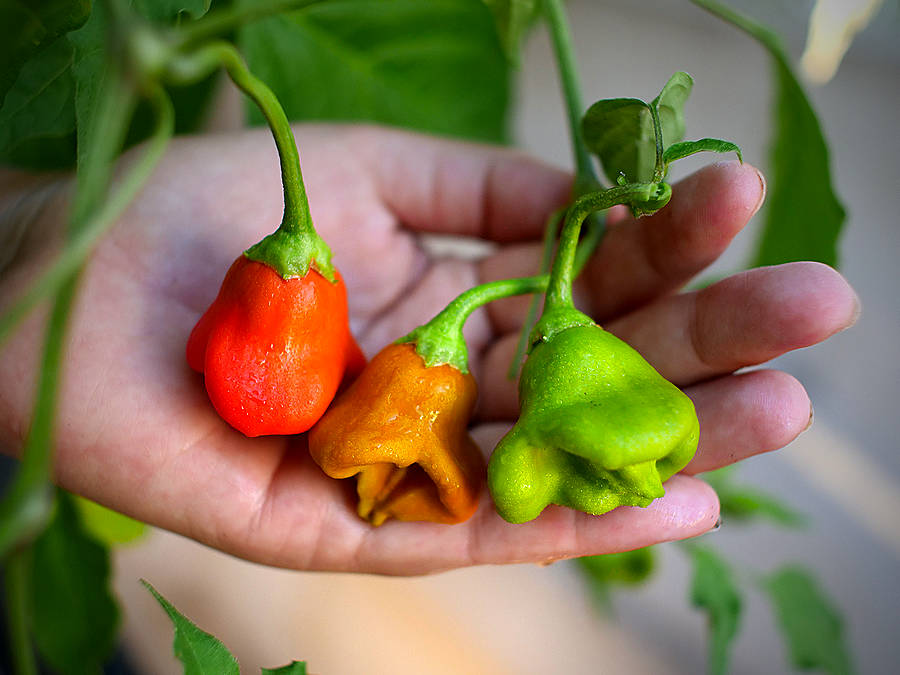

Despite their long history, baccatum chillies remain relatively lesser-known compared to other chilli varieties like jalapenos (from the annum species) and habaneros (from the chinense species). However, their distinctive appearance, with a diverse range of shapes and vibrant colours from Madre Viega to Bishop's crown to Brazilian starfish, adds an artistic flair to any kitchen.
In addition to their aesthetic appeal, baccatum chillies exhibit unique characteristics in flower and seed colour, calyx shape, and flower arrangement per node, distinguishing them from other Capsicum species.
Their unique berry-like flavour sets them apart from other chillies, offering a delightful combination of fruity sweetness, tangy zing, and a subtle smokiness.
They are adaptable to various climates and growing conditions, thriving in both temperate and tropical regions making them great chillies for a UK garden. Their ability to self-pollinate and cross-pollinate with insects contributes to their genetic diversity, ensuring their resilience and adaptability.
Meet a pair of chillies from the wonderful world of baccatum chillies, where history, flavour, and culinary versatility converge to offer a truly baccatum barmy experience. There's also the Madre Viega to check-out too another baccatum.
Bow Down to the Bishop's Crown
A top contender for the crown of barmiest of baccatums has to be the Bishop’s Crown chilli. Native to South America, particularly regions like Brazil, Peru, and Bolivia, this chilli pepper has been cultivated for centuries in these areas.
Also known as "Christmas Bell" or "Joker's Hat," the Bishop's Crown chilli is known for its fruity flavour and mild heat. Named for its unique shape resembling the mitres worn by Catholic bishops. The pod features multiple points jutting up, surrounding the main cavity, and three lobes at the base tapering into a point.
Above all, the Bishop's Crown chilli plant is prized for its ornamental value. Their unique shape and vibrant colours make them attractive additions to anyone's garden.
As a chilli aficionado, I have a soft spot for odd pods, and the Bishop's Crown is pure royalty in that department. These plants grow rapidly, reaching impressive heights with their expansive crown-like branches. However, their delicate stems require a gentle touch when watering.
One of the charms of the Bishop's Crown chilli lies in its kaleidoscope of colours – from verdant green to fiery red, with stops at sunny yellow and vibrant orange along the way. It's like watching a chilli rainbow unfold in your garden!
Known for their adaptability to various growing conditions, these chillies are suitable for any UK gardener who wants to try out a chilli on the wild side.
Impressed by the size of the plants and their highly ornamental habit, I found them very productive. Scooping out the seeds and filling them with cream cheese made for an explosive hot-cool snack.
In addition to their pleasant spiciness, Bishop's Crown chillies offer a sweet and fruity taste, perfect for seasoning vegetables and salads. I read that they even have an intense paprika taste when they are dried.
With its eccentric shape, vibrant colours, and delightful flavour, the Bishop's Crown chilli is truly a one-of-a-kind addition to any garden or culinary adventure.
So, why not add a touch of regal flair to your life. The photos say it all. Sign up with the Barmy Army and break free from the ordinary.
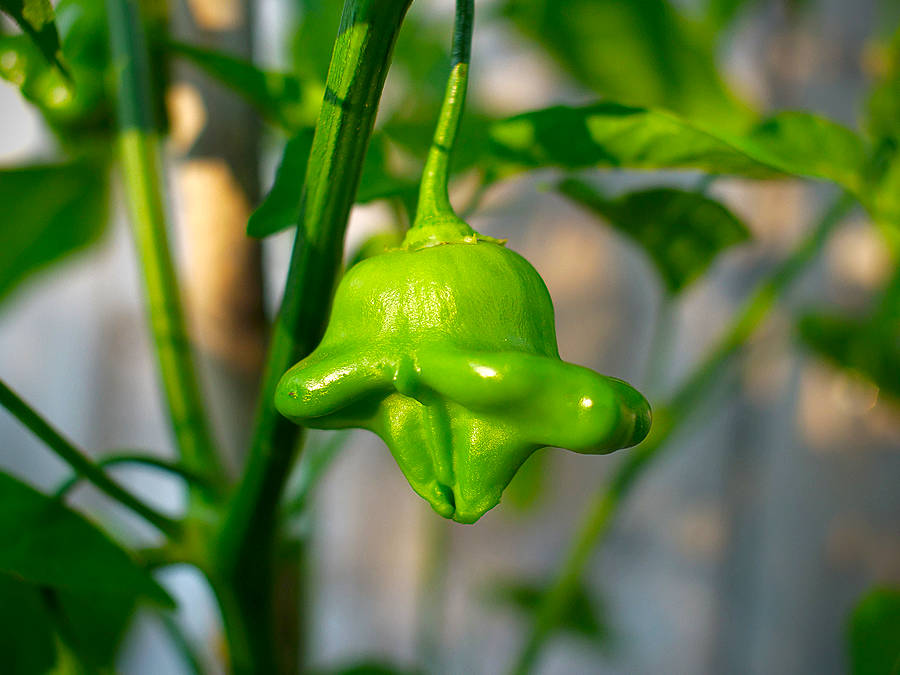
Bell-shaped pods of the Bishop's crown chilli
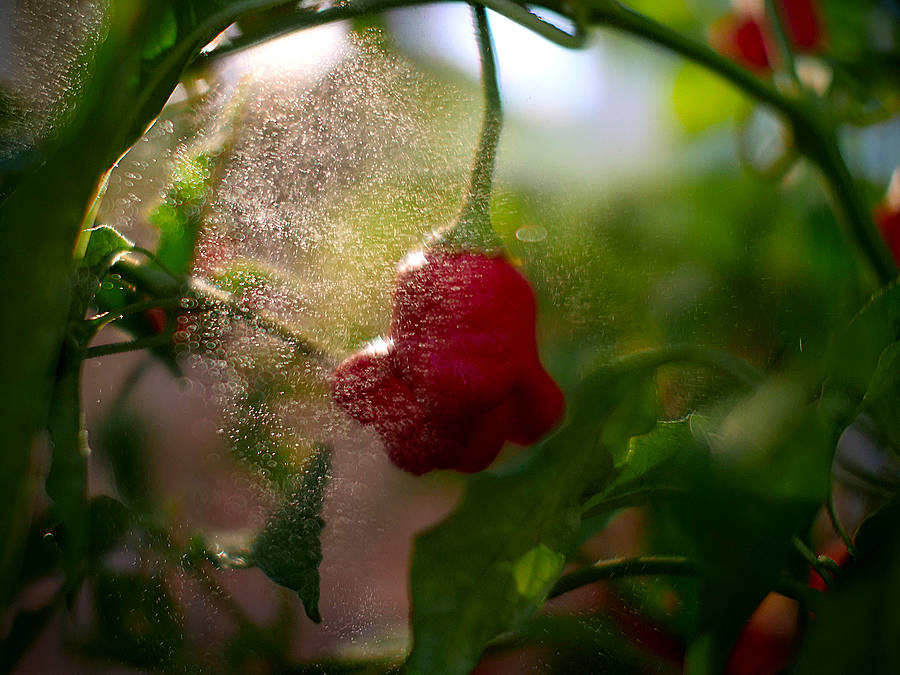
Something of the night in this chilli...
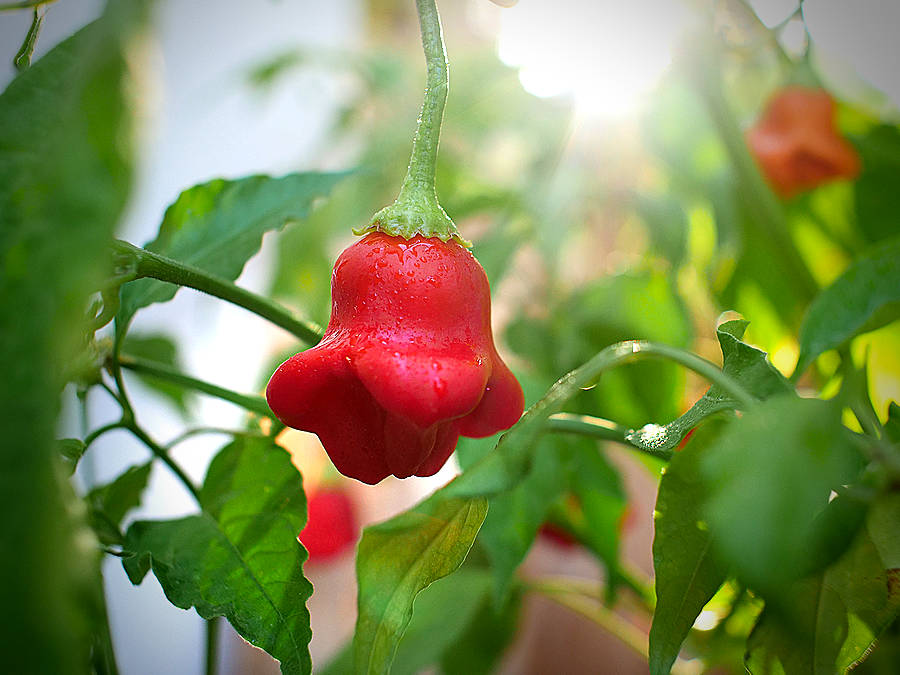
The Bishops Crown. They really are 100% weird
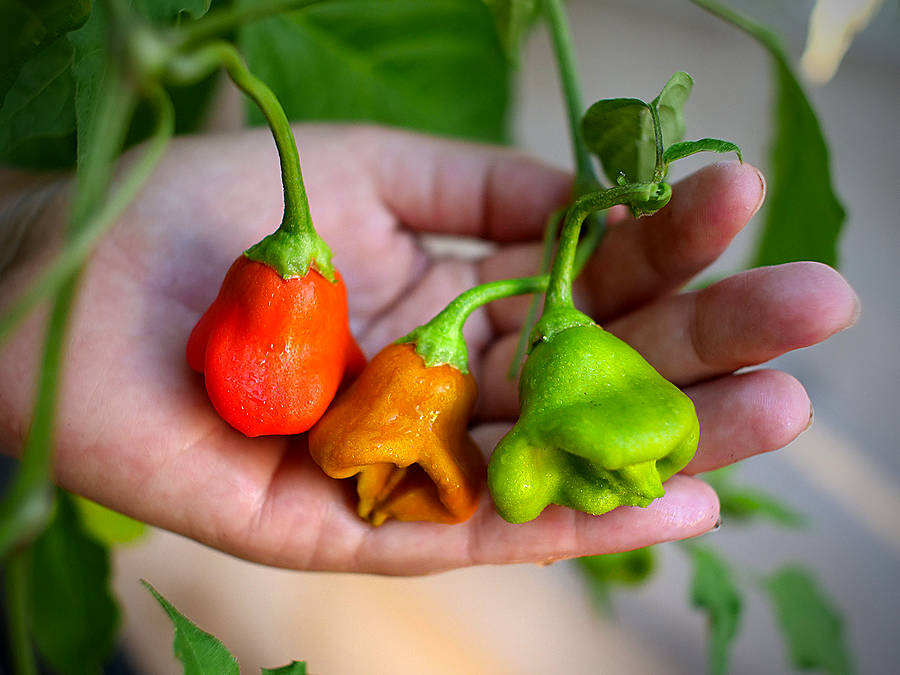
Incredible colour range of pods

A totally amaxzing baccatum plant
Brazilian Starfish - the alien has landed
Originating from the vibrant landscapes of Brazil, the Brazilian Starfish chilli is a top-flight baccatum chilli and a sight to behold. Its unique and extraordinary appearance, resembling a star with its striking shape, immediately caught my attention.
These chillies really are a feast for the eyes. Bacctum’s seem to have the monopoly when it comes to the unusual and sometimes downright crazy looking.
In the world of Brazilian Starfish chilies, diversity reigns supreme. While their signature hue is a vivid red, they also come in captivating shades of yellow and orange, adding a splash of colour to any garden or culinary creation. Watching these chilies transition from a vibrant green to a deep chestnut brown when they are fully ripened is a mesmerising experience.
Growing Brazilian Starfish chilies is not difficult. These baccatum chillies plants are surprisingly hardy, weathering fluctuating temperatures with ease.
As they grow, their tall, vine-like structure gives them a unique charm, earning them the fitting nickname "Starfish."
One of the joys of growing Brazilian Starfish chilies is their prolific nature. Once they take off, they shoot up and out like rockets, producing an abundance of pods throughout the growing season. And let's not forget their ornamental value – it's almost a crime to pick these beauties off the plant!
While Brazilian Starfish chilies may not pack a fiery punch, their mild heat is more than compensated by the beauty they bring.
At the end of the season, I couldn't resist pickling jars of these yellow, orange, and red. They’re not bas in salsas too or chucked into a stir-fry.
So, if you're looking to add a touch of Brazilian flair to your garden or spice up your culinary creations, look no further than the Brazilian Starfish chilli. Trust me, it's a journey you won't regret!
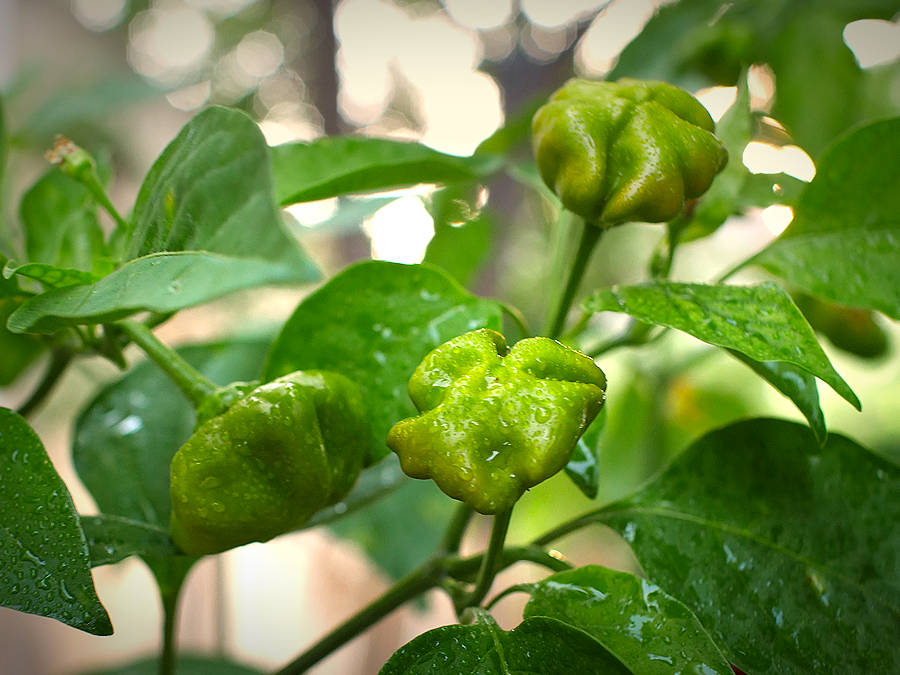
The alien has landed
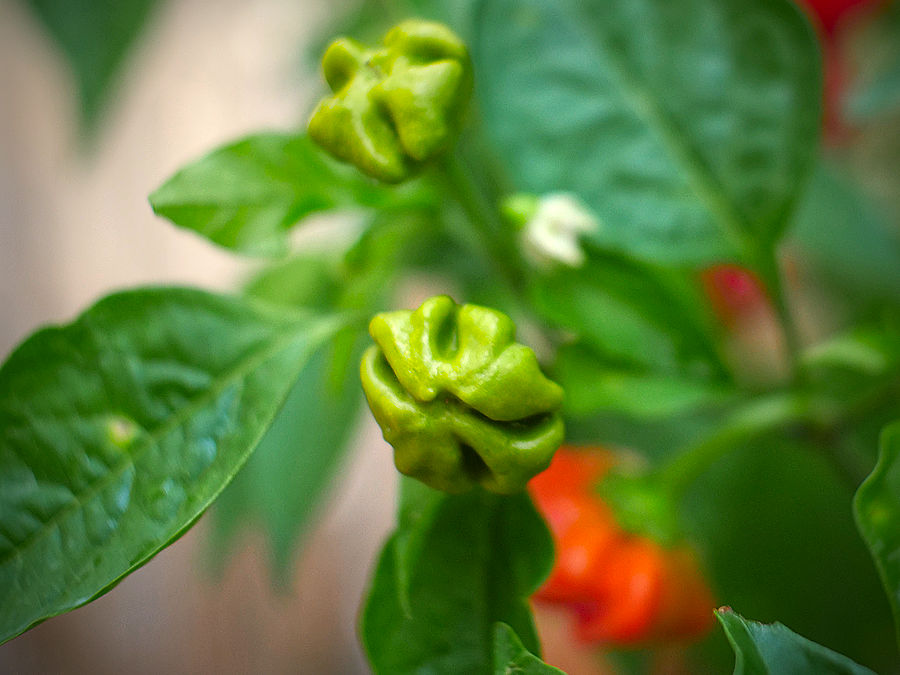
A chilli... but not as we know it
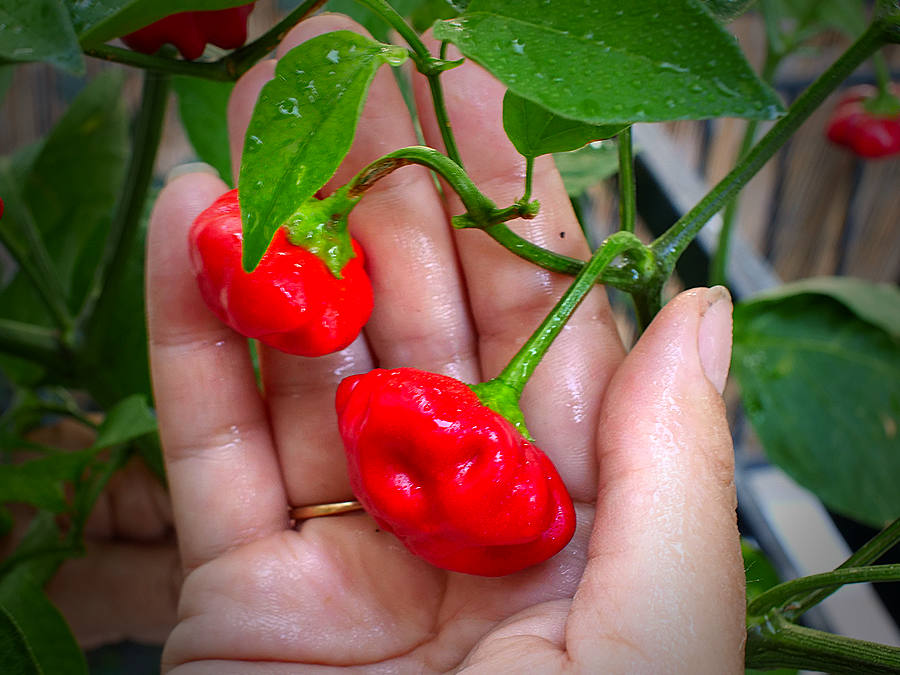
The brilliant colours of the starfish
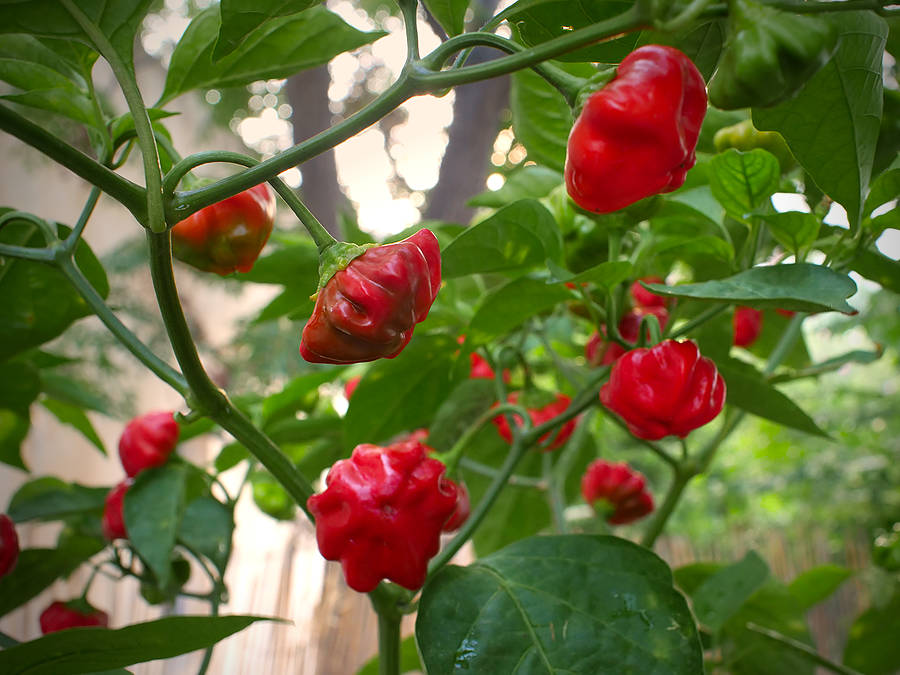
We come in peace and large numbers
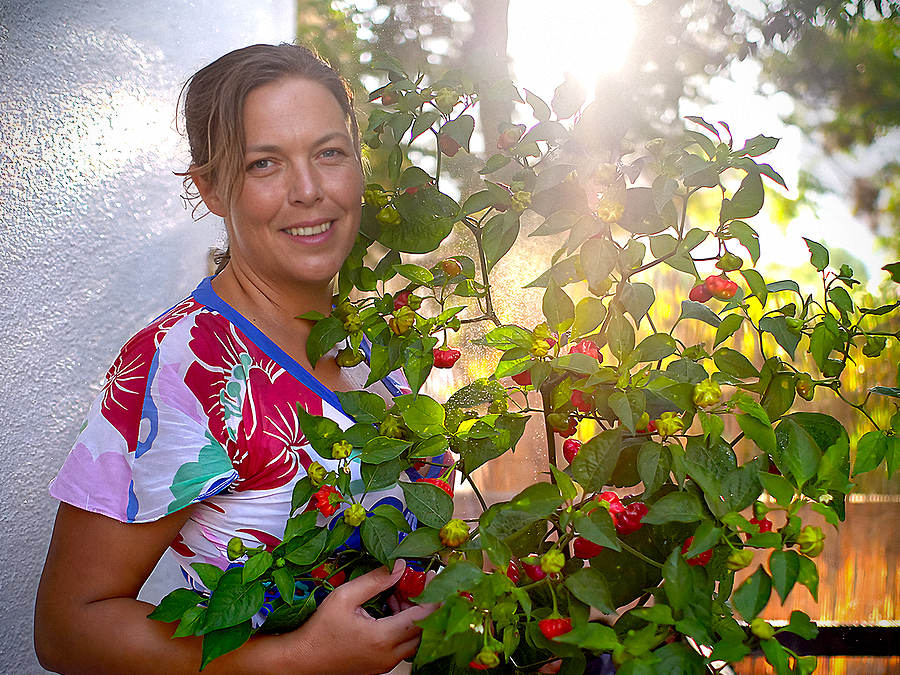
Jaw-droppingly beautiful plant
Picture Text
World of Chillies was set up by Sarah Hunt in 2011 to promote chilli growing and the enjoyment of everything hot and spicy.
Chilli Plants
Tomatoes
Chilli Seeds
Delivery Info
About Us
Contact Us
Sign Up Chilli Club
Privacy
Terms & Conditions
Named after the river that flows through south west Guatemala, this chilli is a local legend. Save yourself the airfare and pick one up closer to home.

Growing tips from World of Chillies

Chilli Problems
Chilli Blogs

Chilli Nutrients
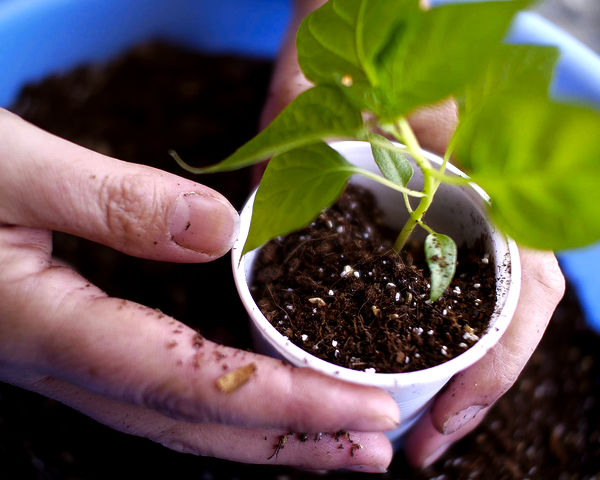
Potting On Chillies

Chilli Pests

Chilli Diseases